



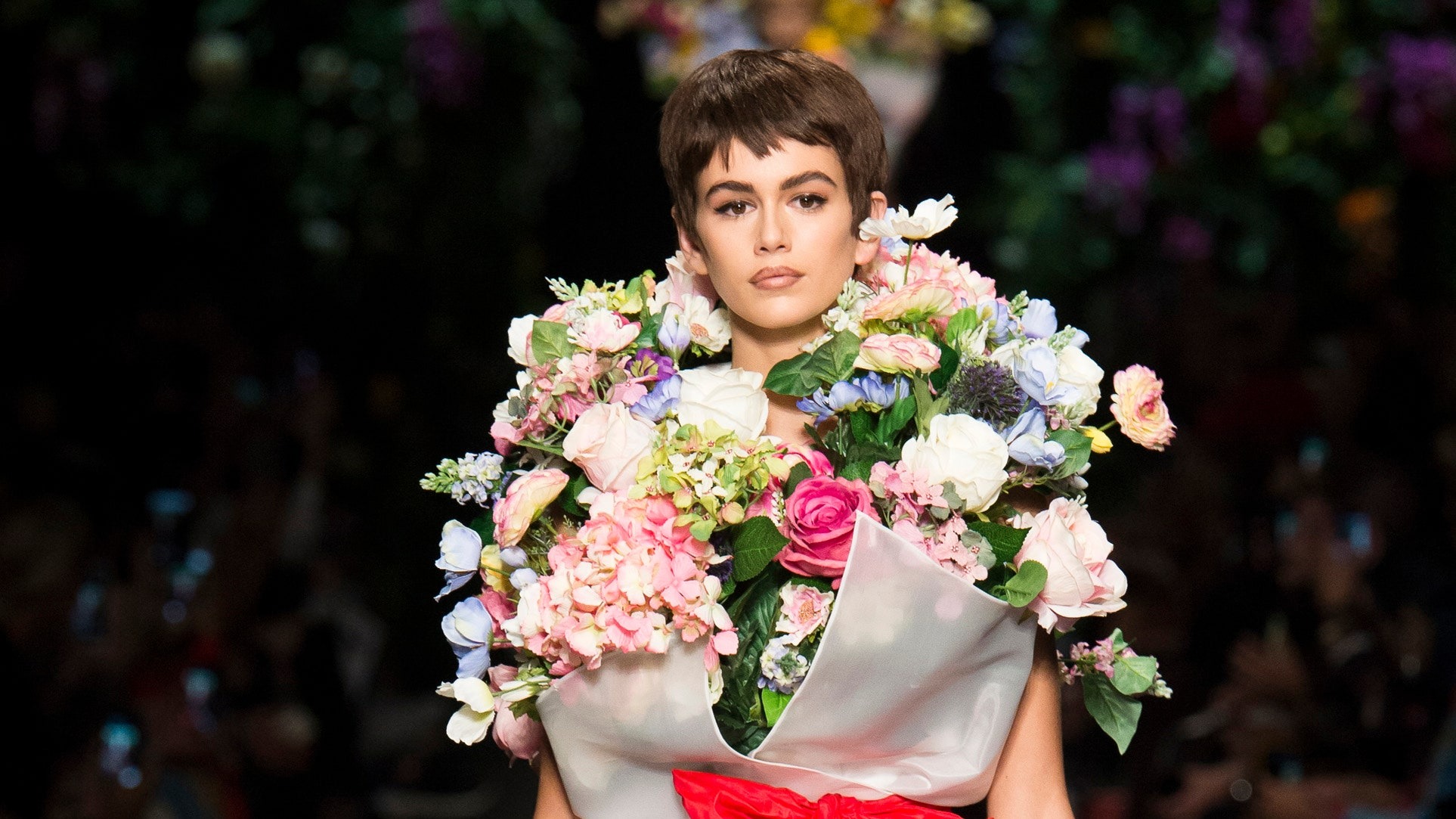

Every spring, like clockwork, florals make a comeback—and every year, someone says, “Florals? For spring? Groundbreaking.” Sure, it’s a tired joke at this point (thanks, The Devil Wears Prada), but here’s the thing: florals never actually left. Not in fashion. Not in design. Not really.
They’ve been stitched into the seams of style history for centuries, from embroidered Hanfu robes in ancient China to Liberty London prints on modern streetwear. And there’s a reason for it—florals hit a nerve in us. They’re nostalgic, symbolic, endlessly remixable, and universally appealing.
So let’s talk about why flower prints and patterns continue to pop up season after season—and why we’re not tired of them yet.
A Pattern That Grows With You
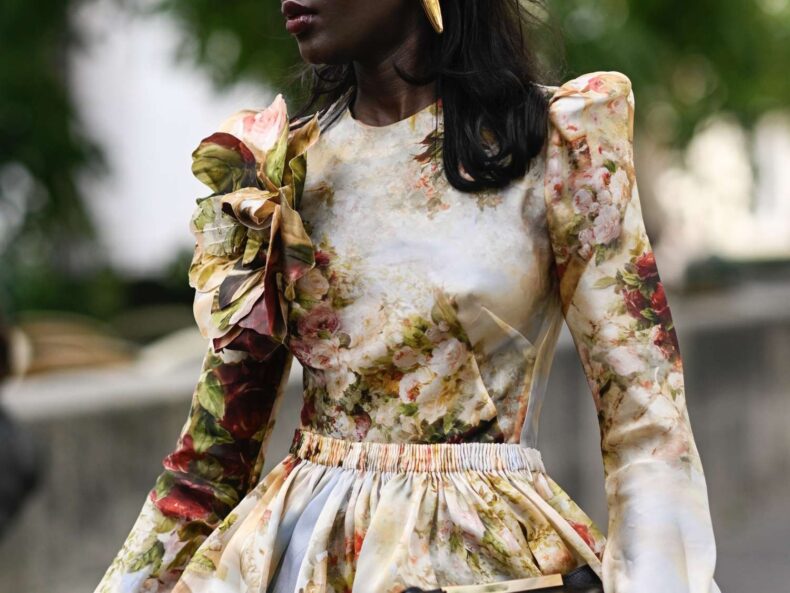
People often associate florals with femininity, romance, or maybe a boho wedding in someone’s Pinterest board. But that’s just scratching the surface. Florals aren’t a one-note motif—they’ve evolved and branched out across decades, cultures, and subcultures.
You’ve got:
- 70s daisy power: Think bell bottoms and retro wallpaper.
- 80s drama: Oversized floral prints with neon edges.
- 90s grunge: Faded roses on slip dresses paired with combat boots.
- 2020s maximalism: Giant florals mashed up with animal print and metallics.
They’re chameleons. Florals can whisper or shout depending on the context. They’re delicate in silk, bold on denim, edgy on leather. They age with you, style with you, move with you. They’re not stuck in one lane—and that flexibility is gold in both fashion and design.
Nature Has a Branding Superpower
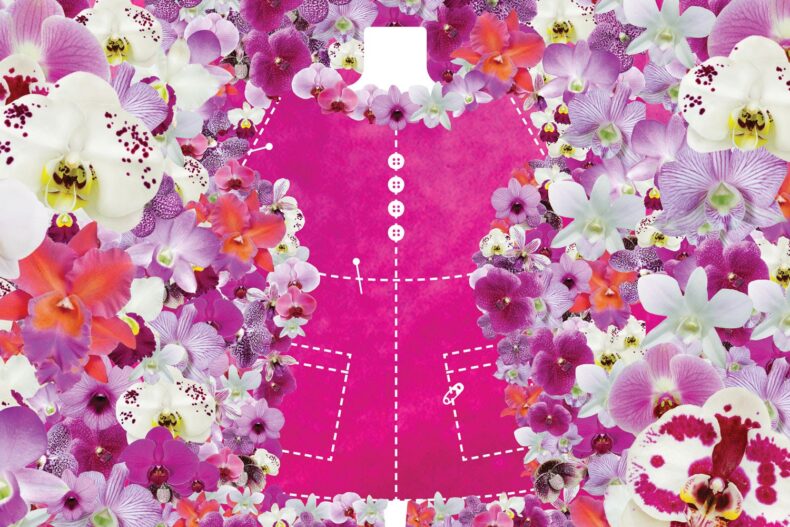
There’s something deeply reassuring about flowers. They mean life, growth, beauty—and sometimes, the passage of time. Florals aren’t just pretty. They’re emotional shorthand.
In a way, they’re visual poetry. One look and your brain starts filling in feelings: warmth, memory, maybe the scent of your grandmother’s garden or a prom corsage. Brands know this. Designers know this. And if you’ve ever bought a blouse because “it just felt fresh,” you know it too.
Nature sells because it feels familiar. And flowers? They’re the MVPs of natural design—complex enough to feel interesting, simple enough to be iconic.
Gender Isn’t a Limitation Anymore
Let’s be real: floral patterns used to come with baggage. For years, they were pigeonholed as “girly,” “soft,” or worse, “dated.” But the past two decades have thrown that thinking out the window. Floral prints on men’s shirts? Normal. Bold botanical tattoos? Everywhere. Interior wallpaper with peonies and palms in bachelor pads? Absolutely.
Style is fluid now. Men, women, nonbinary folks—florals fit across the board. Because at the end of the day, it’s not about gender. It’s about expression. Wearing or living with florals doesn’t say “I’m soft.” It says, “I’m interesting.”
Florals in Home Design: Not Just for Grandma
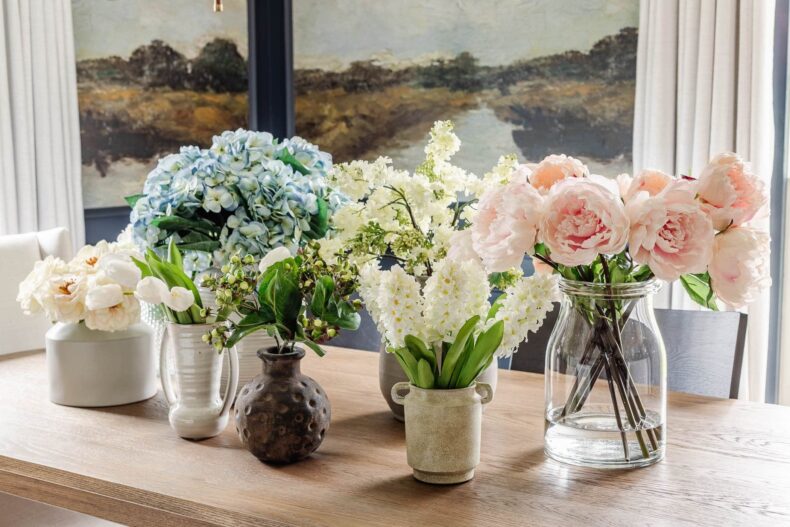
If you’re imagining dusty rose curtains and cabbage roses on china plates, stop right there. Yes, florals had a heavy moment in the ’80s and early ’90s (and honestly, some of it was great), but the new wave of floral design looks and feels entirely different.
Think:
- Dark florals on navy or black backgrounds for moody bedrooms.
- Oversized mural wallpapers with abstract poppies or tropical palms.
- Vintage-inspired floral tiles in kitchens and bathrooms.
- Minimalist line-art florals paired with mid-century modern furniture.
Florals don’t have to scream cottagecore or country kitsch. They can be sharp, clean, high-concept. It’s all in how you use them.
Trend-Proof, But Always Evolving
The biggest misconception? That florals are “safe” or “basic.” As if they’re just a fallback when someone doesn’t know what else to wear or design. But here’s the truth—sticking with a motif for centuries takes innovation. And florals, weirdly enough, have always been the under-the-radar rebels.
Look at runway history. Christian Dior’s 1947 New Look? Steeped in garden silhouettes. Alexander McQueen? Known for fusing skulls and blossoms in his prints. Even streetwear brands like Supreme and Stüssy have played with florals.
They don’t just repeat—they remix.
A cherry blossom in Japanese woodblock art carries a different story than a sunflower on a Vans sneaker. One’s ephemeral beauty. The other’s Americana skate culture. Same motif, entirely different energy.
Why Florals Are Secretly Great in Jewelry
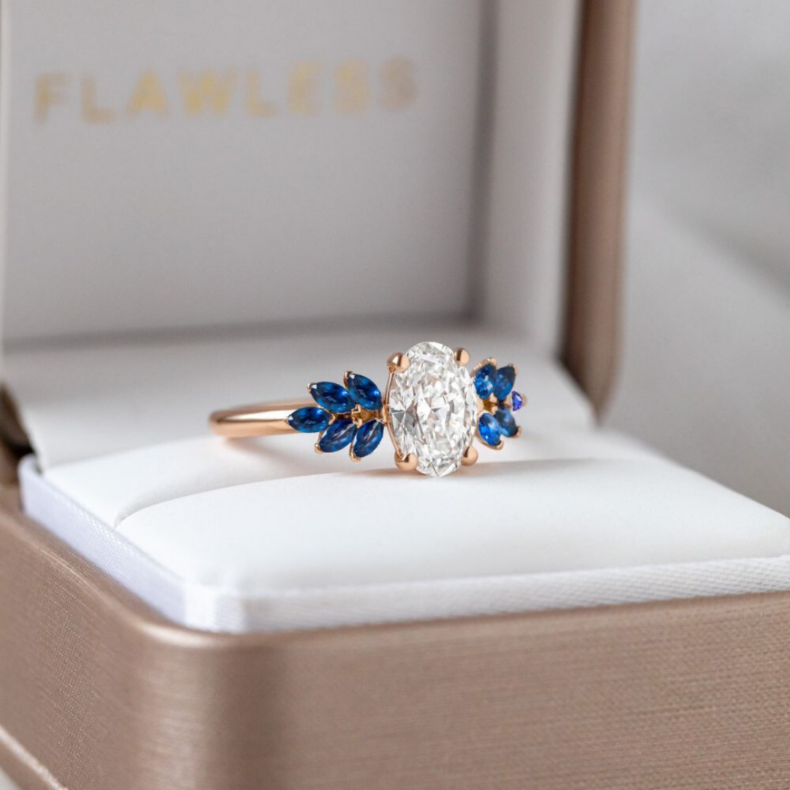
Here’s where it gets interesting—because florals aren’t just about print. They’ve got a solid foothold in accessories too. Especially in jewelry, where they can be both ornate and subtle at the same time.
In fact, one of the most meaningful and enduring designs right now is the flower engagement ring. Whether it’s a halo of diamonds shaped like petals or a vintage-style setting with floral engraving, it hits a sweet spot: timeless without being predictable.
There’s a quiet intimacy to a floral ring. It nods to nature, to tradition, but also feels personal—like you chose it for the shape, the softness, the symbolism. Not just the sparkle.
How to Wear Florals Without Looking Like Everyone Else
Let’s break it down. If you’re feeling stuck in a style rut, florals might actually help shake things up—when done right.
For Clothing
- Mix scales: A large floral jacket pairs well with a micro-print floral shirt underneath.
- Try dark backgrounds: Black or navy florals are more urban, less picnic.
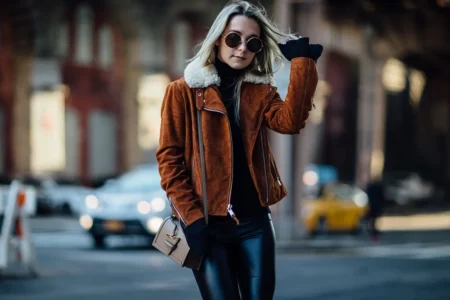
- Layer smartly: A floral dress under a leather jacket? Instant edge.
- Use it as a pop: Floral sneakers, hats, or a bag can carry a whole neutral outfit.
For Interiors
- Feature wall it: One bold floral wallpapered wall is more chic than overwhelming.
- Think beyond pink: Florals in deep green, mustard, even terracotta feel grown-up.
- Mix with stripes or geometrics: That contrast adds depth.
- Use it in unexpected places: Inside cabinets, on ceilings, in stair risers.
Table: Floral Vibes Based on Color Palettes
| Color Palette | Floral Mood |
| Pastels (peach, mint, lilac) | Romantic, airy |
| Jewel tones (emerald, ruby, sapphire) | Luxe, dramatic |
| Earth tones (ochre, rust, sage) | Vintage, grounded |
| Monochrome (black & white) | Modern, minimalist |
| Brights (fuchsia, teal, lemon) | Playful, tropical |
The Psychology of Petals
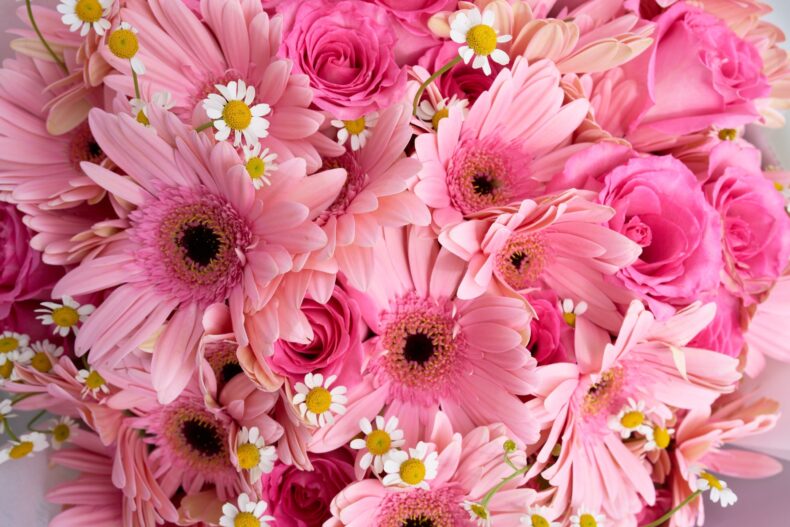
It’s easy to forget that patterns affect mood. Studies in color and design psychology suggest that floral patterns can:
- Increase feelings of happiness and calm
- Spark creativity and imagination
- Make a space feel more inviting and personal
That’s why florals are everywhere from pediatric clinics to luxury spas. They’re visual softeners. And in a time when the world feels kinda chaotic, a little softness doesn’t hurt.
A Print That Works Year-Round
Spring gets all the glory, but florals don’t need to be seasonal. Winter florals can be lush, rich, moody—think deep crimson roses, holly leaves, or icy blue blossoms. Summer florals? Light, breezy, citrusy. Fall? Marigolds, dahlias, and burnt-orange foliage.
You don’t need to pack them away when the season changes. Just rotate your color palette and texture:
- Spring: Cotton sundresses, linen pillows
- Summer: Bold bikinis, oversized floral totes
- Fall: Brocade skirts, floral velvet cushions
- Winter: Dark floral blazers, wool scarves with tiny buds
Florals transition better than most prints because they already mimic nature’s seasons. All it takes is a shift in tone and fabric.
Final Thoughts: Why We Keep Coming Back to Blooms
Trends come and go—logomania, normcore, Barbiecore—but florals? They just…stay. Not because they’re trendy, but because they’re part of us. They carry history, emotion, and identity in a way few patterns can.
Florals don’t need to be edgy to be cool. They don’t need to be minimalist to feel modern. They’re flexible, layered, and deeply human. Maybe that’s the real reason they never go out of style.
So if you’re wondering whether it’s “too much” to buy another floral dress, hang that giant flower print, or go with the blooming engagement ring—just do it.
Honestly? There’s no such thing as too many flowers. Only new ways to wear them.