




Your closet probably tells a familiar story. Shoes scattered everywhere, some barely worn, others falling apart from overuse. Smart shoe collections require careful balancing. The secret is to choose useful pieces that suit your lifestyle, not just buying shoes solely for their appearance.
Start With Your Real Life
Skip the aspirational pictures in your head and the dreamy vacation mood boards. Zero in on a week that really happens. If the commute to a desk job eats five days but the only hiking you do is a city park stroller route, be honest with that. Nights out and the occasional wedding count. Don’t let them dictate the majority of the closet though.
Grab a notepad and map out a week. Review the list and highlight the shoes you already grab for each event. The count doesn’t have to be high, but it should be clear. Once you see how your time is divided, it’s easy to buy only what fills the gaps.
The Essential Four
Any solid wardrobe starts with four essential kinds of shoes.
- First, a polished pair for work and formal occasions.
- Next, athletic shoes for workouts and relaxed weekends.
- Third, versatile everyday shoes that drift easily between business and casual.
- Lastly, one nicer pair for special nights and dinner dates.
Together, these four types lay the groundwork.
Quality Over Quantity
Ten bargain pairs that pinch your feet cost you more in the long run than three sturdy pairs that last for years. Well-crafted shoes hug your arches, polish your look, and actually save cash over seasons. They also slim down your storage while doing the job right.
Put the bulk of your wad toward the pairs you’ll pound the pavement in most. Your daily commute shoes deserve the heftiest spend because they clock the most miles. Party shoes can ride in at a lower price since they punch the clock less frequently.
Versatility Rules
The strongest pairs slip into a dozen roles. Deep colors glide smoothly from the boardroom to brunch. Clean lines age gracefully, while faddy shapes fade fast. Timeless silhouettes mingle with more outfits than loud statement styles ever will.
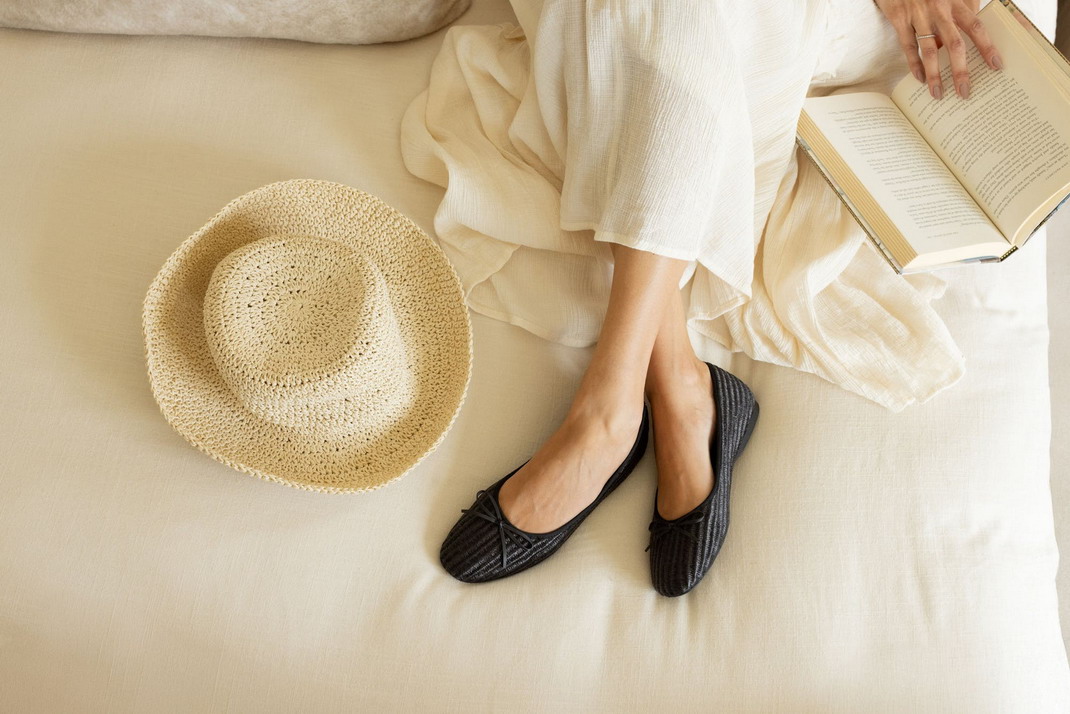
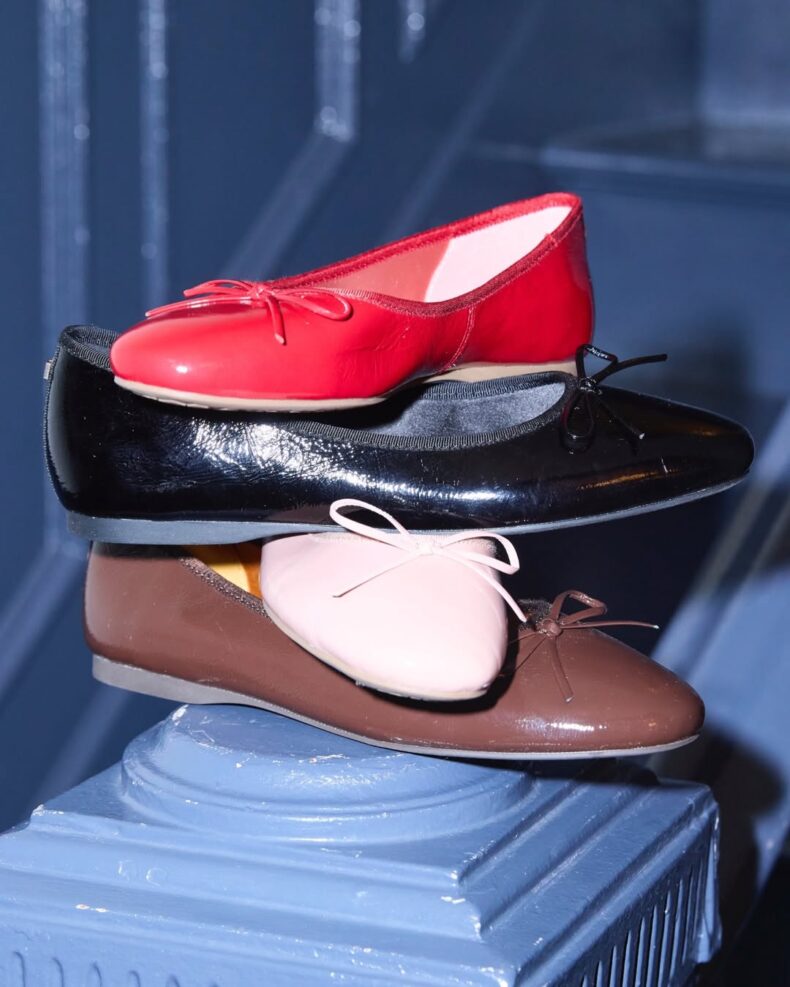
Ballet flats from a brand like Birdies show how true versatility works. They slide under tailored dress pants during the week and fit right in with casual weekend jeans. This is all while feeling good enough for a long, on-your-feet day. One well-chosen pair of flats can clear out several pairs that don’t earn their keep.
Color Strategy
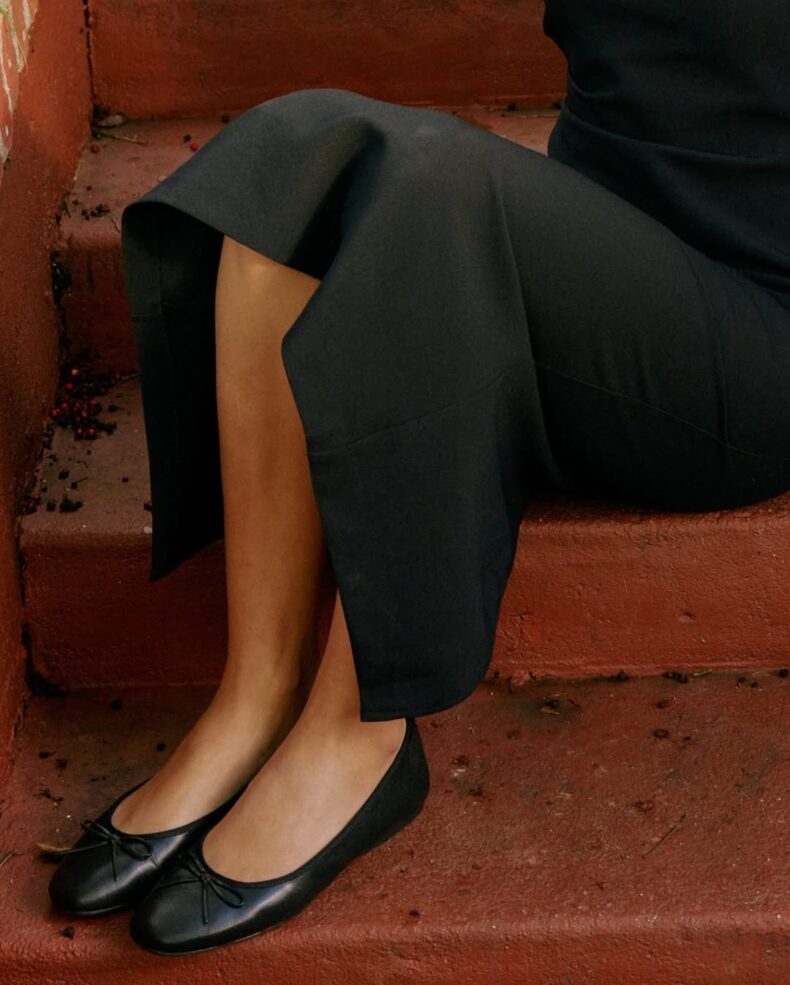
Choose a small, simple palette that sings with most of your closet. Black, brown, and navy alone cover nearly every possible outfit. Gray gives you a soft, modern neutral, while white or cream brightens spring and summer looks.
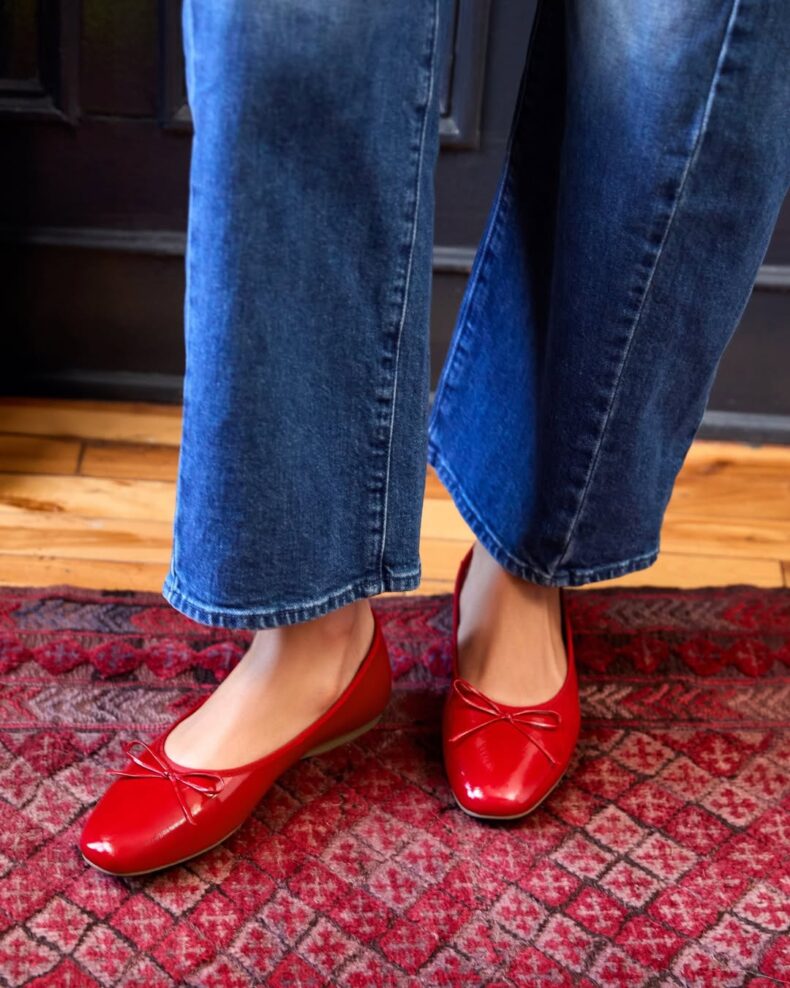
Then, add just one or two richer shades that feel like you. A bright red and a deep burgundy, for example, can stay in heavy rotation without crowding. Resist the urge to snag a sandal in every hue your closet owns; the wardrobe grows thick enough without the rainbow.
Seasonal Sense
Shape your small collection around where you really live and how you actually live. A fair-weather closet in a hot climate leans on breathable, open styles. A Northern wardrobe gears up for the grit of snow and ice with sturdy, insulated boots. A closet that works well mirrors your real daily rhythms, not the seasons you dream about.
Storage and Care
Even the best shoe collection won’t serve you well if storage and care are overlooked. Shoes that are tossed in piles lose their structure, pick up scratches, and wear down faster than you expect. Simple organization systems, like racks, cubbies, or transparent boxes, can double the lifespan of your collection. Leather pairs, for example, need consistent air circulation and shoe trees to prevent curling and cracking. Suede demands dry, cool storage with the occasional brush to keep it looking alive.
Just as you wouldn’t leave a good coat crumpled on the floor, shoes deserve the same respect. Regular cleaning sessions also extend their value. A quick wipe after wearing keeps salt stains or dirt from settling. Rotating shoes instead of relying on a single pair prevents premature breakdown. Treat your shoes like long-term assets, and they’ll return the favor in years of comfortable, stylish service.
Common Mistakes to Avoid
Many people don’t realize they are sabotaging their own shoe collections with habits that look harmless at first.
- Buying too many trend-driven shoes, for example, leads to closets full of pairs that lose relevance in a year.
- Another common mistake is chasing low prices at the expense of comfort, only to spend more on replacements later.
- Duplicates also sneak in: three nearly identical black flats when one or two quality pairs would be enough.
- Ignoring climate is another issue, summer sandals don’t help in rainy or icy conditions.
- Finally, skipping a budget altogether often results in overspending and regret.
By avoiding these traps, you create space for shoes that genuinely add value. The key is awareness: every time you feel tempted by a pair, ask whether it solves a real need, complements existing outfits, and will still feel relevant next year.
Budgeting for a Shoe Collection
Budgeting is often overlooked when it comes to fashion purchases, yet it’s one of the most practical tools you can use. Instead of seeing shoes as random expenses, treat them as planned investments that work over time. Start by setting an annual shoe budget that reflects your lifestyle. If you commute daily on foot, you’ll allocate more toward durable work shoes. If you attend events or weddings frequently, occasion footwear might deserve a larger slice.
Here’s a simple guideline for balance:
| Shoe Category | Recommended Budget % | Reasoning |
| Daily Work/Commute | 40% | Most used, need quality |
| Everyday Casual | 25% | Flexible and versatile |
| Athletic | 20% | Comfort and performance |
| Occasion/Formal | 15% | Less frequent use |
This framework isn’t rigid but it prevents impulse splurges from draining your budget. Think long-term, and always weigh cost per wear. A $200 shoe that lasts four years can actually be cheaper than a $50 shoe that falls apart in one.
Conclusion
Curating a shoe collection that actually fits your life is a slow burn, not a sprint. You’ll spend fewer frantic minutes standing in the closet, fewer dollars replacing impulse buys, and a lot of grateful moments putting your feet on the ground in something that feels just right.
Over time, the balance you strike pays off not only in financial savings but also in everyday comfort and confidence.
In the end, a thoughtful collection leaves you feeling lighter, sharper, and always prepared. With each step, you’ll appreciate the harmony of owning shoes that truly earn their place.