





Walk into almost any Filipino gathering, and sooner or later you will see a deck of cards on the table. There is a good chance people are playing Tongits. It is simple to start, easy to follow after a few rounds, and surprisingly competitive once everyone gets into it.
What makes Tongits interesting is not just how it works, but how naturally it fits into daily life in the Philippines. It is played at home, during downtime, and now even on mobile apps. To understand why it stuck around for decades, it helps to first understand what the game actually is.
What exactly is Tongits?
Tongits is a three player card game that belongs to the rummy family. It uses a standard 52 card deck and focuses on forming card combinations called melds. The goal is straightforward. You either get rid of all your cards or end the game with the lowest points.
Each round follows a rhythm that becomes familiar quickly. Players draw cards, build sets, and discard what they do not need. It is not complicated, but it requires attention and timing.
A useful way to understand Tongits is this: it is a mix of matching cards and reading your opponents’ moves, all happening in short, quick rounds.
The game usually involves:
- Three players only, which keeps it focused and interactive
- A cycle of drawing and discarding cards
- Building sets like three of a kind or sequences of the same suit
- Ending the game by emptying your hand or calling a draw
Most people learn it informally. You sit beside someone, watch a few rounds, and then join in.

How Tongits is actually played in real life
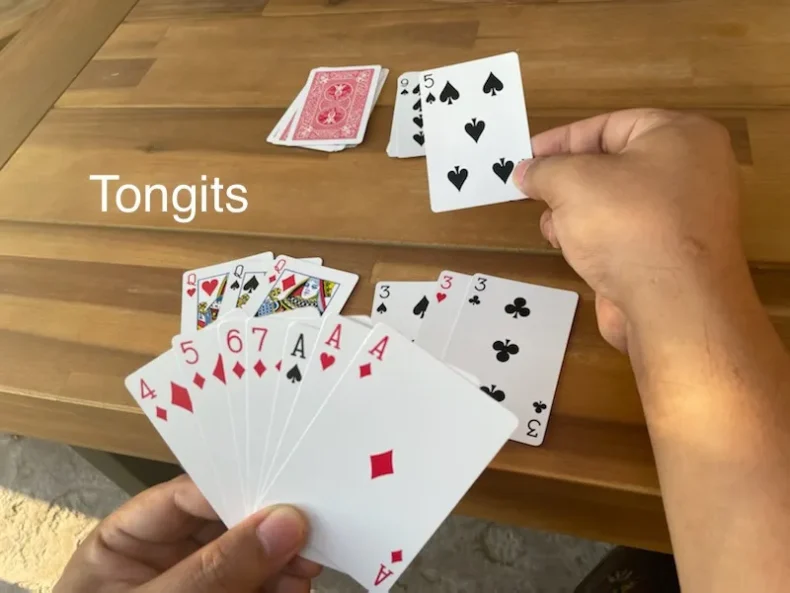
Rules matter, but the real experience of Tongits comes from how people play it in everyday settings. You will see it in living rooms, small stores, or even outside on plastic tables.
In recent years, many players have also shifted online. If you want to see how timing and player activity affect gameplay, this guide to Tong its Play explains when people are most active and how that changes the pace of the game.
Here is what usually happens during a typical game session:
- Someone shuffles and deals the cards without much ceremony
- Players talk casually while keeping an eye on each move
- Small bets may or may not be involved depending on the group
- The mood shifts quickly when someone gets close to winning
The structure stays the same, but the atmosphere depends on who is playing. Some groups are relaxed. Others take every move seriously.
Breakdown of the basic rules
Understanding the rules helps explain why the game is easy to pick up but still engaging over time.
Tongits uses a standard format. One player gets 13 cards, the others get 12, and the rest form the draw pile. Players take turns drawing and discarding while trying to create valid sets.
Here is a simple breakdown of how a round works:
- You draw one card each turn from the deck or discard pile
- You try to form sets or sequences, also called melds
- You discard one card at the end of your turn
- The round ends when someone clears their hand or calls a draw
| Key Element | What It Means |
| Melds | Three or more matching cards or sequences |
| Draw pile | Where players take new cards |
| Discard pile | Where unwanted cards go |
| Winning | Empty hand or lowest total points |
What keeps it interesting is that every move reveals something. If someone picks a discarded card, you learn what they might be building.
Where Tongits came from
Tongits is believed to have developed in the Philippines during the 1980s, especially in northern regions like Pangasinan.
It did not appear out of nowhere. It was influenced by earlier games like rummy and Tonk, which also focus on forming sets and managing cards.
Over time, local players adapted the rules. Small variations appeared depending on the region or group. That flexibility helped the game spread quickly.
The key detail is that Tongits was shaped by how people actually played it, not by a fixed official rulebook.
By the 1990s, it was already widely played across Luzon and later across the entire country.
Why Tongits became so popular
Tongits did not become popular by accident. Several factors made it easy for people to adopt and keep playing.
First, the game is accessible. You only need a deck of cards and three players. No setup, no special equipment.
Second, the learning curve is short. Most people understand the basics within minutes.
Third, it fits into everyday life. You can play a quick round during a break or keep going for hours.
The popularity also comes from how social it is. People are not just playing cards. They are talking, reacting, and paying attention to each other.
Some reasons it continues to grow include:
- It works in both casual and competitive settings
- It allows small wagers but does not require them
- It rewards observation and timing, not just luck
- It adapts easily to different groups and situations
The shift to online Tongits
In recent years, Tongits has moved beyond physical tables. Mobile apps and online platforms have changed how people play.
This shift started as a way for overseas Filipino workers to stay connected with familiar activities.
Now, it is common for players to:
- Join games through mobile apps
- Compete with people in different locations
- Play at any time without needing a physical group
Online versions keep the same rules but change the pace. Games can be faster, and players rotate more often.
At the same time, the core idea stays the same. You are still reading opponents and managing your cards.
Final thoughts
Tongits is easy to explain, but its popularity comes from how naturally it fits into people’s routines. It does not require much effort to start, and it adapts to different situations without losing its core structure.
It began as a local card game, shaped by everyday players, and gradually spread across the Philippines. Now it exists both at physical tables and on digital platforms.
If you sit down and play a few rounds, you will understand why it lasts. The rules are simple, but the experience depends on how people interact, react, and adjust with each turn.