




Most people picture metal as something that needs extreme heat to soften or melt. That is true for steel and titanium, but not for every metal. Some alloys melt at temperatures low enough to liquefy in hot water. At first, that sounds impractical. Then you start looking at modern manufacturing and realize these materials solve problems that harder metals cannot.
Low melting point metals are used in electronics, fire protection systems, tube bending, medical equipment, and precision machining. Industries rely on them because they respond predictably to heat and can protect delicate components during production. Once you notice where they are used, you start seeing them everywhere.
Why manufacturers use low melting point metals

Industries usually choose materials based on efficiency, safety, and consistency. Low melting alloys help with all three. Many of them melt below 300°C, which makes them useful in processes where standard metals would damage nearby materials or require too much energy.
I remember visiting a small fabrication shop years ago and being surprised by how often these alloys appeared during assembly work. They were not treated like specialty materials. Workers used them as everyday tools because they simplified difficult tasks.
Some of the biggest advantages include:
- Lower processing temperatures
- Reduced stress on sensitive components
- Precise thermal activation
- Easier reshaping and removal
- Better compatibility with electronics
Manufacturers also appreciate the predictable melting behavior. In industrial production, predictability matters more than novelty.
Common metals and alloys used in these applications
Several metals appear repeatedly in low temperature alloys, especially tin, indium, gallium, and lead free blends containing bismuth. Bismuth has become especially important because it can replace lead in many industrial uses while still maintaining useful melting characteristics. According to Indium Corporation, many fusible alloys are based on bismuth systems because the metal expands slightly during solidification and allows precise dimensional control.
That expansion property sounds minor until you see how useful it becomes in manufacturing. Some alloys shrink while cooling, which can create gaps or weak points. Bismuth based alloys help reduce that problem.
| Metal | Typical Industrial Role | Approximate Melting Point |
| Bismuth | Fusible alloys and solders | 271°C |
| Indium | Electronics and thermal bonding | 157°C |
| Gallium | Thermal systems and coatings | 29.7°C |
| Tin | Lead free solder production | 232°C |
Different combinations create alloys with very specific melting ranges. Engineers choose them carefully depending on the application.
Electronics and soldering applications
Electronics manufacturing depends heavily on low melting point alloys. Modern circuit boards contain components that can warp or crack if exposed to excessive heat during assembly. Lower temperature solder helps prevent that.
A review published by IJERT in 2019 explained that bismuth and indium are increasingly used in lead free solders because of their lower toxicity and favorable melting behavior.
One thing people rarely think about is how fragile modern electronics actually are during production. Tiny chips, sensors, and connectors cannot always tolerate traditional solder temperatures.
Did you know?
Some low temperature solder alloys melt below 140°C. That is low enough to protect heat sensitive electronic assemblies used in medical devices and compact consumer electronics.
Manufacturers also use these alloys in:
- Flexible circuit boards
- Semiconductor packaging
- Thermal interface materials
- Cryogenic sealing systems
Without low melting alloys, many compact electronics would be harder to manufacture reliably.
Fire safety systems and thermal protection

One of the oldest industrial uses for fusible alloys is fire protection. Sprinkler systems often contain metal links or plugs designed to melt at a specific temperature. Once the alloy melts, the system activates automatically.
According to Indium Corporation, fusible alloys are widely used in passive fire sprinkler activation systems because their melting behavior remains highly consistent.
That reliability is important. Nobody wants a sprinkler activating randomly, but nobody wants it failing during a fire either.
Many commercial sprinkler systems use eutectic alloys engineered to melt within a narrow temperature range, often between 47°C and 70°C.
These alloys are also used in:
- Boiler safety plugs
- Heat activated release mechanisms
- Industrial pressure relief systems
- Automatic fire doors
Some of these systems have been used for more than a century because the mechanism is simple and dependable.
Tube bending and precision manufacturing
This is probably my favorite application because most people have never heard of it. Thin metal tubes can collapse during bending. Manufacturers solve that by filling the tube with a low melting alloy before shaping it.
Once the bending process is finished, the alloy is melted and removed. It supports the tube walls during forming and prevents crimping.
The first time I saw this process demonstrated, it honestly looked strange. Workers poured molten alloy into a tube, waited for it to solidify, bent the pipe, then removed the alloy with heat. Simple idea, very effective result.
Industries using this method include:
- Aerospace manufacturing
- HVAC production
- Automotive exhaust fabrication
- Medical tubing production
Some alloys used for tube bending melt around 70°C, which means removal can happen with relatively mild heating.
Medical, optical, and specialty industrial uses
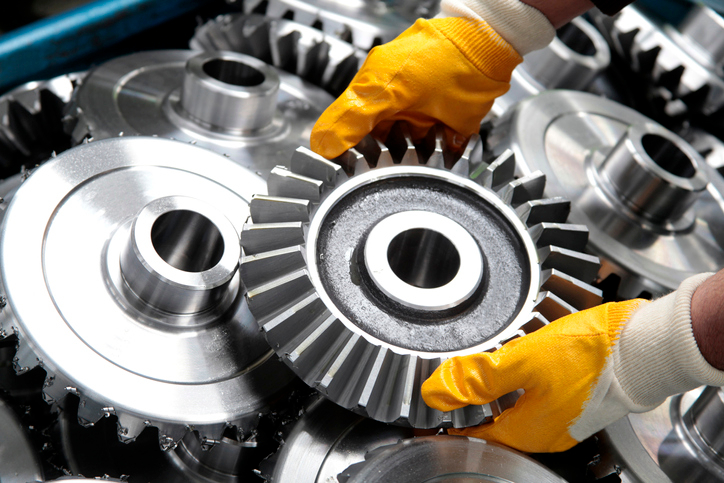
Low melting alloys also appear in medical and optical manufacturing because they can temporarily hold delicate parts without permanent bonding.
Optical lens grinding is one example. According to Indium Corporation, fusible alloys are commonly used to hold lenses during polishing and shaping operations.
Medical industries use these materials in radiation shielding blocks and specialized imaging equipment. Some alloys can be molded precisely and later reused, which helps reduce waste during custom fabrication.
Interesting fact
Bismuth based alloys are also being studied as alternatives for oil well sealing and plugging systems because they expand during solidification and create strong seals. Research published in the Journal of Petroleum Science and Engineering in 2022 examined their potential use in well abandonment systems.
That kind of research shows these materials are still evolving. Industries continue finding new uses for them.
Final thoughts

Low melting point metals may not sound exciting at first, but they quietly support a huge range of industrial processes. They make electronics safer to assemble, help fire systems activate reliably, protect delicate tubing during shaping, and support precision manufacturing work that would otherwise be difficult or expensive.
What I find interesting is how practical these alloys are. They are not experimental materials sitting in a lab. They are everyday industrial tools solving very specific problems. In manufacturing, that kind of reliability matters more than anything else.
FAQs
1. Do low melting point alloys conduct electricity well?
Many of them do. Tin, indium, and bismuth based alloys are commonly used in electrical and electronic manufacturing because they conduct electricity while still melting at relatively low temperatures. Conductivity levels vary depending on the alloy composition.
2. Why are eutectic alloys important in manufacturing?
Eutectic alloys melt and solidify at a single temperature instead of gradually softening across a range. That predictable transition helps manufacturers maintain consistent production quality during soldering, casting, and thermal activation processes.
3. Are low melting alloys suitable for load bearing structures?
Usually no. Most low melting alloys are designed for temporary support, thermal activation, sealing, or precision shaping rather than structural strength. Industries typically avoid using them in applications that require heavy mechanical loads.
4. What makes gallium different from other low melting metals?
Gallium melts at about 29.7°C, which means it can liquefy near room temperature. Unlike many traditional fusible alloys, pure gallium can remain liquid without combining with large amounts of lead or tin. It is often used in thermal management systems and specialized electronics.
5. Can low melting alloys be customized for specific temperatures?
Yes. Manufacturers often adjust the percentages of bismuth, tin, indium, or lead to create alloys that melt at very precise temperatures for safety systems, thermal fuses, and industrial tooling.