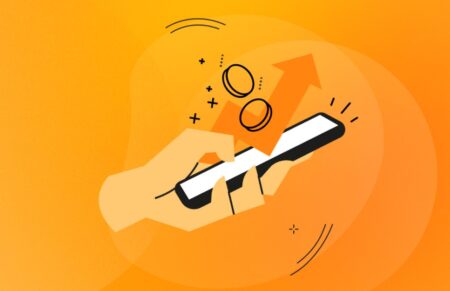





The way people pay for their shopping has undergone a drastic change, as it was traditionally done in cash; however, now most people pay digitally. Digital payments have become the go-to solution for people to make purchases, whether they shop offline or online. Do you know what makes people prefer to pay digitally? The major reason for choosing to pay digitally is that it makes them free from carrying cash.
What is a Digital Payment?
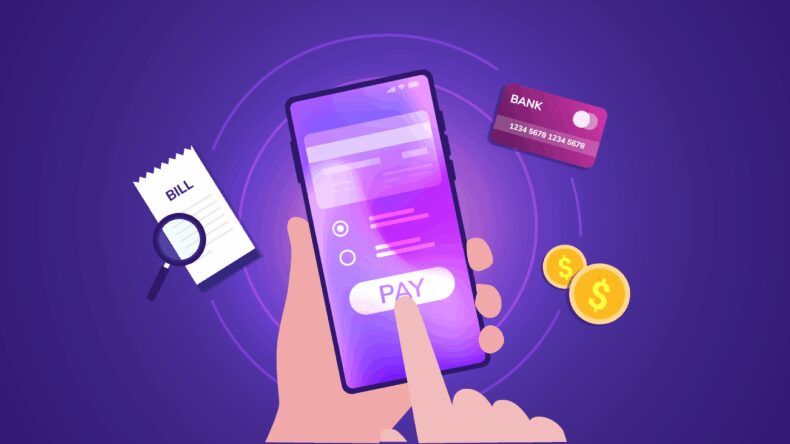
Maybe most of you know about digital payment; however, there are still people who are not aware of it, and we will explain it to them. A digital payment is not made in physical cash, and when you choose to pay through credit/debit card, bank transfer, e-wallet, or quick response (QR) code, it is termed a digital payment. The best part about digital payments is that they make you free from carrying cash, especially when you have to make a big payment.
Carrying a large amount of cash has always been a problem for people. It is because they are worried about what if some of the payment gets lost or stolen during transit? However, this problem has been eliminated by digital payment methods, which most people have adopted to pay for goods and services. It is all because they find paying digitally to be convenient.
No matter, people, especially the Generation Z or Gen-Z and Millennial, have to pay for the daily transactions, utility bills, and entertainment, including gaming, they choose to pay digitally for all of these services. Different countries have different digital payment methods, and when we talk about the Philippines, they have credit/debit cards, bank transfer, and e-wallets as the major payment methods.
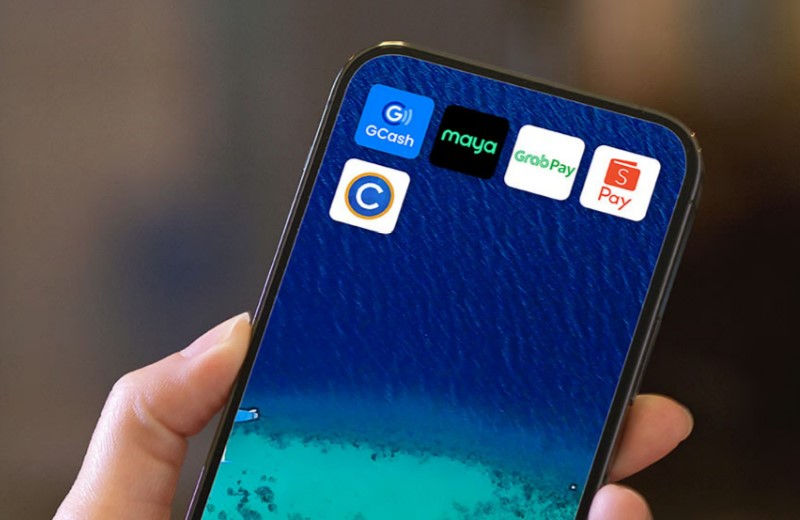
You are already familiar with the first two, which are common in all countries, while when we talk about e-wallets, the common e-wallets used in the Philippines include GCash, Touch ‘n Go, GrabPay, and ShopeePay.
How are e-wallets and other digital payment methods making life easy?
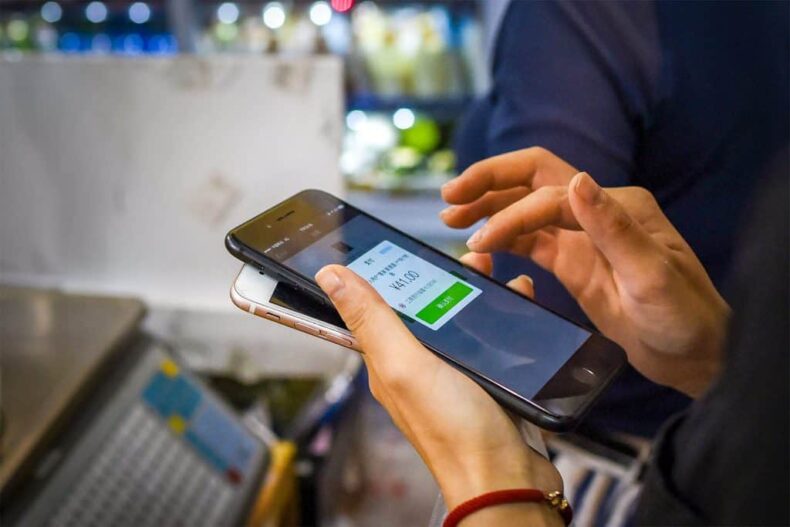
As said, digital payment makes individuals free from carrying huge amounts of cash when stepping outside their home. In the Philippines, the e-wallets such as GCash are making life easier than ever, and it is available at most of the offline and online retailers. When we talk about GCash, it is a Philippines-based mobile payment service that gives Filipinos the confidence to trust it for paying for their offline and online purchases.
People Shift to Cashless Living
E-wallets are not only used for paying for daily purchases but also for entertainment purposes. For example, at an online casino in the Philippines GCash is available for users to pay for gambling activities. People are quickly shifting to cashless living, as you can see them traveling without paper money, as they trust digital money, which comes with little risk, as no one can steal it from you without your permission.
The older generation still carries cash with them as they have not adopted digital payments fully; however, if you talk about the younger generation, especially Gen-Z and Millennials, they have completely shifted to cashless living. You can see them paying for everything, ranging from shopping to utility bills, air ticket booking to movie tickets booking, casino gambling to other entertainment needs, they use digital payment methods.
Digital Payment Adoption – Need of the Hour
Adopting digital payment methods is not only necessary for buyers but also for merchants, as people these days prefer to pay digitally. Being a business owner, it is necessary to offer digital payment methods to your customers; otherwise, they will stop shopping with you, and you will lose your most loyal customers. This is the reason you see at least a single digital payment method at every merchant.
Most offline and online retailers have multiple digital payment methods for their customers to pay for their purchases. The gaming service providers, such as online casinos, only have digital payment methods for receiving and making payments. They pay the gamblers who win in casino games digitally, so there is no need to maintain a record of transactions in paper books, as the same is maintained digitally.
Everyday Benefits for Filipinos
Digital wallets are not just about convenience; they are reshaping daily life in practical ways:
- Paying Utility Bills – Electric, water, and internet bills can now be cleared instantly, without queues.
- Transportation and Commuting – Many transport services accept e-wallets, making travel smoother.
- Food and Shopping – From fast-food chains to supermarkets, Filipinos increasingly skip cash.
- Peer-to-Peer Transfers – Sending money to friends and family has become instantaneous.
By integrating these services into one app, e-wallets are slowly becoming more than payment tools—they are mini financial ecosystems that fit modern living.
Security and Trust in Digital Payments
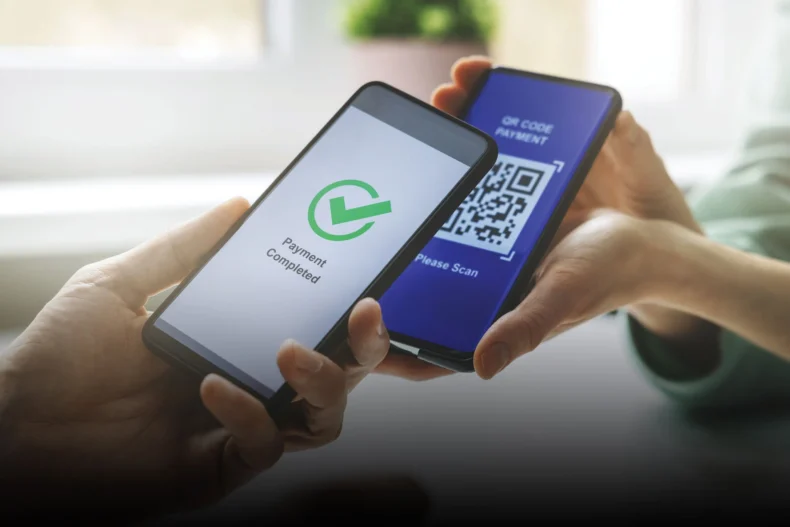
One of the biggest hurdles in digital adoption is security. Filipinos once worried about fraud, hacking, or losing money online. However, with advanced encryption, biometric authentication, and strict regulations by the Bangko Sentral ng Pilipinas (BSP), confidence in digital payments has increased.
Security features commonly offered by e-wallets include:
- PIN codes and password protection.
- Biometric logins such as fingerprint and facial recognition.
- Instant notifications for every transaction.
- Fraud monitoring systems to block suspicious activity.
These protections give users peace of mind that digital money is safer than carrying a wallet full of cash in crowded streets.
Financial Inclusion Through E-Wallets
In a country where many people remain unbanked, e-wallets bridge the gap. Traditional banking often requires documents and physical presence in branches, which can be difficult for rural populations. E-wallets, however, only need a smartphone and a mobile number.
This accessibility means:
- Farmers and small vendors can receive payments digitally.
- Families in rural areas can access remittances more easily.
- Young people can manage finances without traditional bank accounts.
As more Filipinos join the digital economy, financial inclusion grows, creating new opportunities for both consumers and small businesses.
Challenges and Limitations
Despite the progress, digital payments in the Philippines still face obstacles:
- Internet Connectivity – Rural areas struggle with poor mobile coverage.
- Digital Literacy – Older generations are hesitant to adopt new technology.
- Transaction Fees – Some transfers and withdrawals still carry costs.
- Merchant Resistance – Smaller vendors sometimes prefer cash to avoid platform charges.
Overcoming these challenges is critical to ensuring that cashless living is not just for urban areas but for the entire country.
Conclusion
Making payments for purchases has been completely changed, and paying in cash has been replaced by digital payment methods. Here, in this article, we have discussed digital payments, which are minimizing the risk of theft of money, especially during larger transactions. Moreover, we have talked about how e-wallets and digital payments have made life easier for people who are adopting them quickly.
We hope you liked reading the information provided in this article. Share your thoughts and feedback in the comments. We would love to hear from you.