






Economic partnerships refer to cooperative arrangements between nations aimed at enhancing trade, investment, and mutual growth.
International stability involves a state of peace, security, and economic predictability across borders.
Strong economic partnerships enhance global peace and security by fostering interdependence, resolving conflicts through commerce, and providing mechanisms to mitigate economic shocks.
Without further ado, let us begin.
Historical Lessons: Peace Through Economic Reconstruction
Post-World War II reconstruction offers a clear precedent for how strategic economic cooperation can not only rebuild nations but also prevent future conflicts. The ruins of war provided a foundation upon which long-term peace and growth were constructed, primarily through economic policies aimed at rehabilitation and trust-building.
Japan and Germany, once central aggressors in global conflict, became leaders in peaceful economic development. Success was not accidental but the result of targeted international strategies and partnerships.
Japan’s transformation began with the Yoshida Doctrine, a policy that placed economic revitalization above military ambition.
Under U.S. security protection, Japan focused on:
- Industrial expansion supported by government-business cooperation
- Heavy investment in education and technology
- Export-led growth encouraged by Western markets
Economic cooperation ensured Japan’s reintegration into the global order not as a threat but as a reliable economic partner. U.S. influence helped direct this path, particularly in alignment with Washington’s Indo-Pacific plans, which sought stability and containment through economic engagement rather than direct confrontation.
Germany’s recovery mirrored that of Japan in several key areas. The Marshall Plan, led by the United States, injected vital funding into war-torn Europe.
Germany received significant aid, which fueled:
- Infrastructure rebuilding, including roads, factories, and public utilities
- Stabilization of currency and financial systems
- Creation of democratic economic institutions
Beyond material benefits, this assistance also restored confidence between former enemies. Franco-German reconciliation, once inconceivable, became central to European peace.
To reinforce this shift, new economic alliances emerged. A notable example is the European Coal and Steel Community (ECSC), which pooled resources and created transparency between member states.
Economic Interdependence as a Deterrent to Conflict
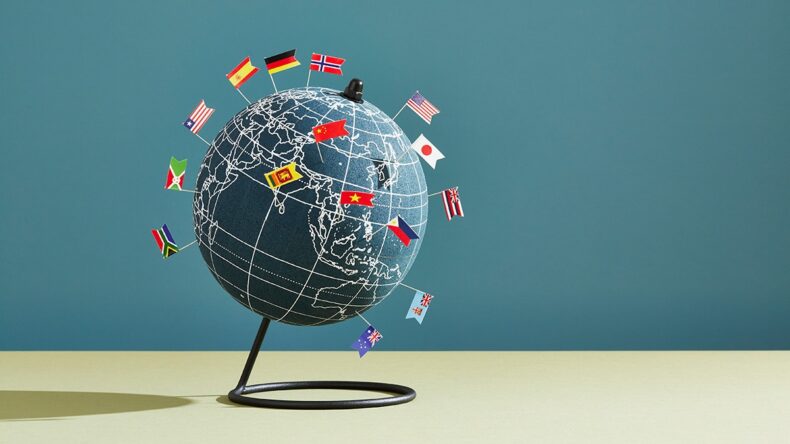
Economic ties between nations have become more than just financial arrangements. They function as mechanisms of deterrence, discouraging armed conflict by raising the costs of disruption. When countries rely on each other for vital goods, services, and investments, war becomes an economically irrational option.
Dale Copeland’s theory highlights how trade reduces the likelihood of war. His research suggests that states with substantial economic interdependence are less inclined to engage in military confrontation due to the anticipated mutual loss.
Evidence of this theory in action can be found in multiple contemporary examples:
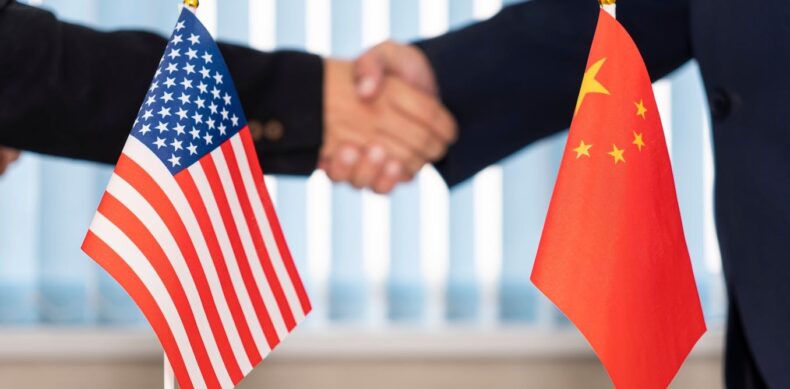
U.S.–China trade ties involve trillions in goods, services, and technology exchange. Despite political tensions, these economic links have tempered the risk of escalation. Major disruptions would hurt both consumers and industries in each nation.
European Union cooperation brought former adversaries into a shared market. By integrating policies, currency (for many), and labor mobility, the EU made internal conflict economically prohibitive.
Global supply chains span continents and industries. Auto manufacturers, for instance, depend on parts sourced from dozens of countries. An armed conflict involving just one supplier nation can cause worldwide production halts.
These examples underscore the idea that mutual dependence offers a powerful incentive for peace. Economic entanglement creates a situation where conflict carries consequences far greater than political gains.
Peace is not merely maintained by treaties but by continuous economic interaction that binds interests. Governments may disagree on ideology, but shared commercial goals often encourage restraint, dialogue, and compromise.
The Role of Global Cooperation in Times of Crisis

Global economic challenges rarely remain confined within borders. Issues such as poverty, inequality, pandemics, and financial crashes spread rapidly and require collaborative solutions.
Cooperation among nations becomes essential not only to repair damage but also to prevent instability that could fuel social unrest and political extremism.
Global platforms, such as those promoted by the World Economic Forum, have long stressed that transnational crises demand coordinated economic responses.
Individual action may provide temporary relief, but sustainable recovery depends on unified strategies and shared goals.
Historical responses to financial meltdowns, including the 2008 global recession and the COVID-19 pandemic, offer key lessons.
Governments, central banks, and financial institutions worked across continents to provide:
- Emergency liquidity support to prevent banking collapse
- Stimulus packages to maintain household consumption and business solvency
- Debt relief programs for vulnerable nations facing unsustainable burdens
International institutions have played a decisive role in shaping and enforcing these strategies.
The World Trade Organization (WTO) provides dispute resolution frameworks and promotes fair trade rules that prevent panic-driven protectionism.
The International Monetary Fund (IMF) supports monetary stability by offering technical assistance, policy advice, and financial resources.
Trade Wars and Their Destabilizing Effects
Trade wars begin not on battlefields but through economic confrontation.
Governments initiate protectionist policies in the form of tariffs, quotas, and regulatory hurdles with the goal of shielding domestic industries.
These measures often spark retaliatory actions, creating cycles of escalation that damage global trade and cooperation.
Initial justifications for such actions may stem from domestic pressure, perceived trade imbalances, or strategic competition.
However, the unintended consequences quickly ripple across markets, disrupting stability and eroding trust among trading partners.
Immediate effects of trade wars include:
- Supply chain disruptions, as companies scramble to reroute production and find new suppliers
- Rising costs for raw materials and finished goods, increasing the burden on consumers
- Market volatility, as investors react to uncertainty and pull back from long-term commitments
- Delays in innovation, particularly in technology sectors that rely on cross-border collaboration
One of the most impactful trade conflicts in recent history involved the United States and China. Tariffs were imposed on hundreds of billions in goods, leading to retaliatory measures and prolonged negotiations.
The outcome included:
- Billions in losses for agricultural and manufacturing sectors
- Relocation of factories and supply chains, often at high transitional costs
- Slowed global economic growth, affecting both emerging and developed economies
Another key example involved the United States and the European Union.
Disputes over steel and aluminum tariffs triggered policy disagreements that extended into unrelated sectors like aviation and consumer goods.
Trade friction between these allies complicated broader diplomatic efforts and reduced cohesion within international institutions.
Summary
Economic partnerships are essential for global peace and long-term stability. Countries that trade, invest, and grow together have less incentive to fight and more reason to resolve conflicts diplomatically.
Fostering mutual economic interests builds bridges that military alliances alone cannot guarantee. In a world increasingly connected through commerce, strengthening economic ties remains a powerful strategy to prevent conflict and encourage cooperative peace.