



Pond fountains play a key role in outdoor water features by improving visual interest, increasing oxygen levels, and supporting overall pond health.
Two primary fountain configurations dominate residential and commercial ponds:
- Floating systems
- Fixed, anchored installations
Each option serves different priorities related to function, maintenance, visual style, and environmental impact.
A clear comparison across performance, design, and practical use helps determine the right solution for specific pond conditions and goals.
What Are Floating and Fixed (Anchored) Fountains?
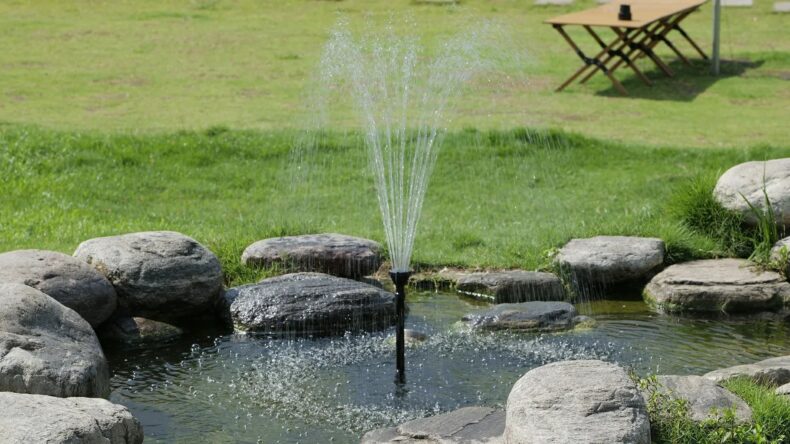
Pond fountains generally fall into two structural categories based on how they interact with the water body.
Floating systems rest directly on the surface and move with the water, while fixed systems remain anchored to a specific point.
Floating Fountains
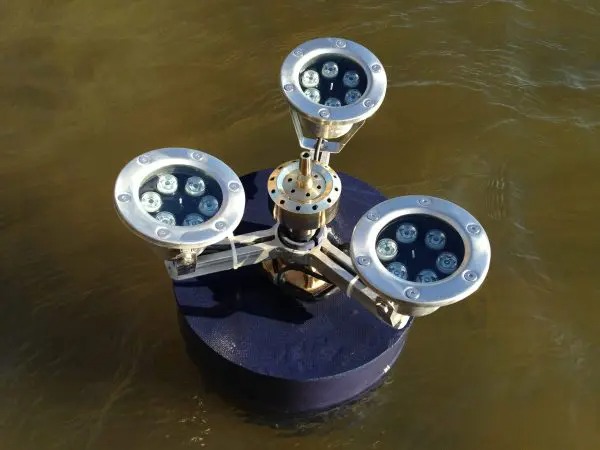
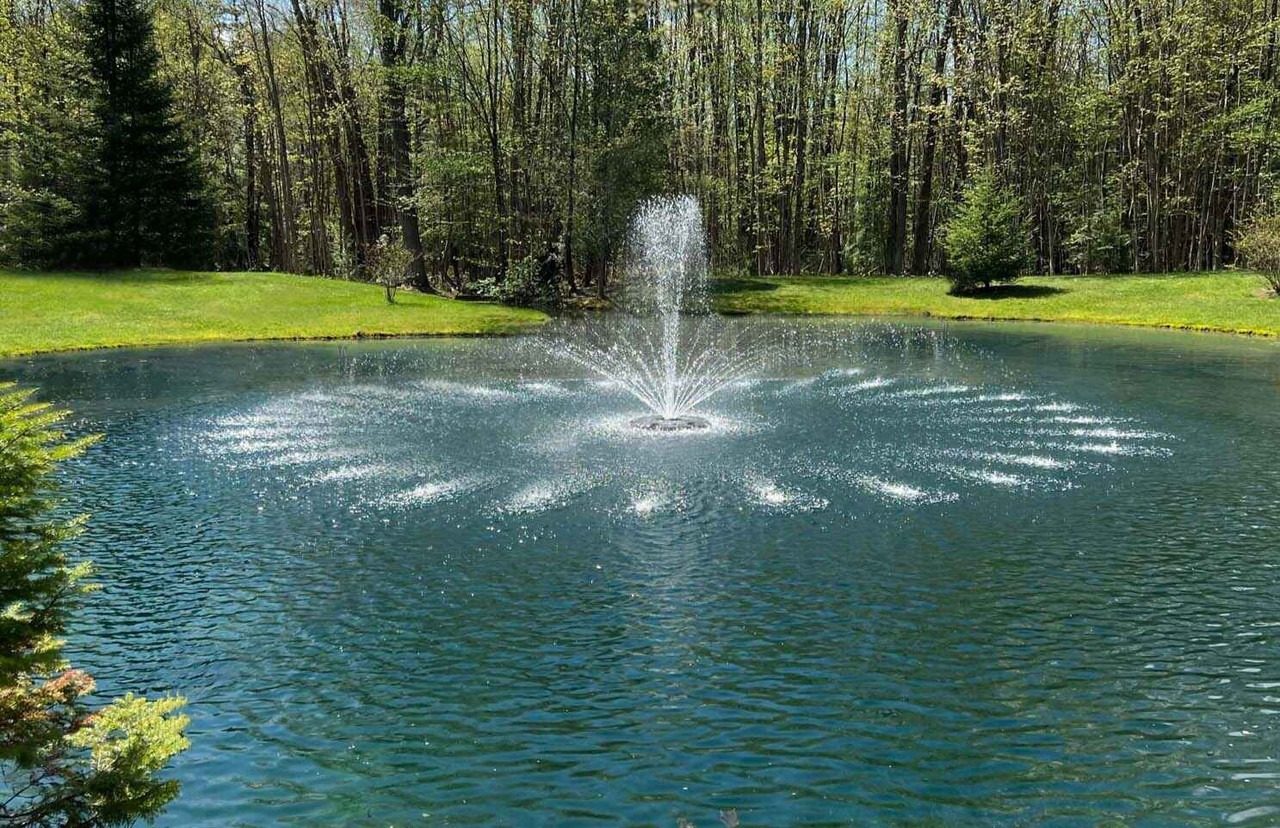
Floating fountains operate directly on the pond surface using a buoyant housing that supports a submersible pump.
Water gets pulled upward through the pump and expelled through a nozzle, creating visible spray patterns while agitating the surface.
Continuous movement increases oxygen transfer and helps circulate the upper water layers.
Placement flexibility allows use in ponds with uneven depth or soft sediment where structural anchoring would be difficult.
Broad surface coverage makes floating systems especially practical for larger water bodies that need functional improvement alongside visual motion.
Several operational advantages define floating lake fountains in everyday use, including the following features integrated into many systems:
- Wide spray patterns that improve surface aeration across large areas
- Compatibility with solar power setups for off-grid operation
- Minimal disturbance to pond bottoms due to surface-based support
Mosquito control improves as surface agitation disrupts breeding cycles. Oxygen circulation benefits aquatic life by supporting fish activity, beneficial bacteria, and stable water chemistry.
Remote ponds gain additional value when solar-powered units eliminate trenching or electrical routing.
Fixed (Anchored) Fountains
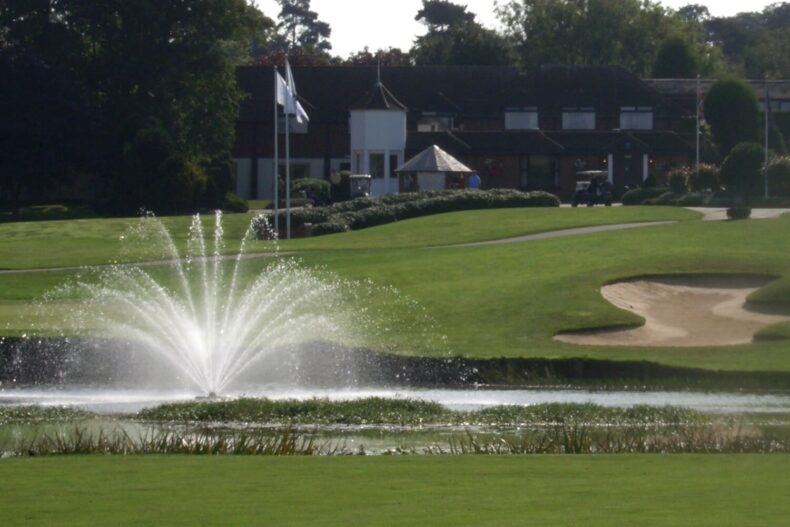
Fixed fountains remain stationary and are installed on a stable base, pedestal, or plinth. Structural support allows precise control over water:
- Direction
- Height
- Rhythm
Designs often focus on symmetry and controlled flow rather than wide area circulation.
Visual consistency remains a defining strength. Water movement stays localized, creating a predictable focal element that reinforces intentional design planning.
Long-term installations benefit areas that prioritize structure and permanence over adaptability.
Common design formats appear in several established forms, including the following options selected for visual clarity and balance:
- Tiered bowls that create cascading water sounds
- Sculptural statues paired with controlled spray outlets
- Bubblers or pedestal-mounted jets for formal layouts
Courtyards and architecturally driven outdoor spaces benefit most due to controlled placement and minimal movement.
Permanent positioning supports designs centered on proportion, alignment, and visual order rather than broad aeration coverage.
Installation and Setup
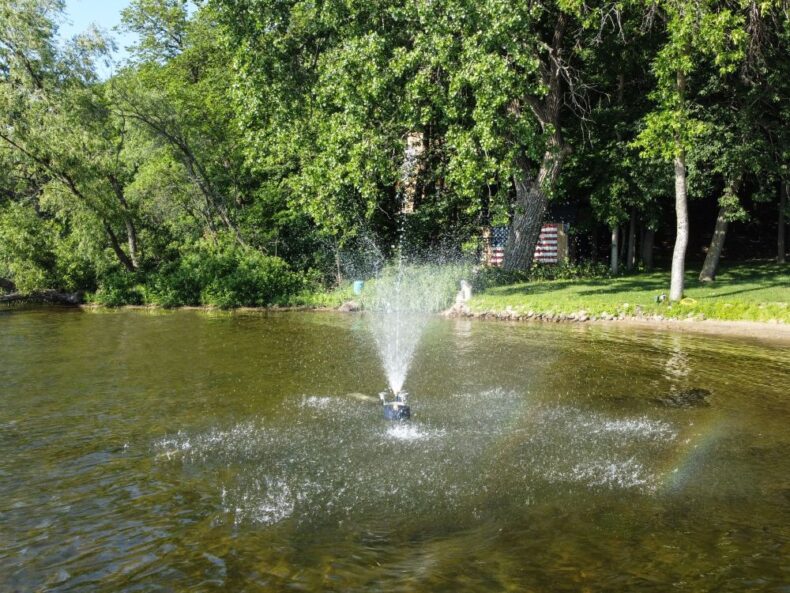
Installation requirements vary significantly between the two fountain types. Floating fountains rely on surface placement, allowing rapid deployment with minimal preparation.
Units usually drop directly into the pond and connect to a power source or an integrated solar panel without plumbing.
Several practical installation details influence setup decisions, especially for floating systems:
- No excavation or water line routing required
- Long power cables allow solar panels to sit in high-sun areas
- Seasonal removal remains fast and uncomplicated
Tethering may be needed in windy locations to prevent drifting. Winter storage becomes easier due to quick removal.
Anchored fountains require more extensive planning. A level base must support the structure, while plumbing lines and electrical connections need careful routing.
Labor demands increase, and installation timelines extend accordingly.
Pump access should remain accessible within the design to allow servicing without dismantling the entire fountain.
Flexibility and Mobility
Floating systems support repositioning as pond layouts shift or seasonal needs change. Movement allows adjustments tied to plant growth, water level changes, or visual priorities.
Fixed fountains commit to a single location.
Relocation often involves structural changes, additional labor, and added expense, making adjustments impractical after installation.
Aesthetic and Design Styles
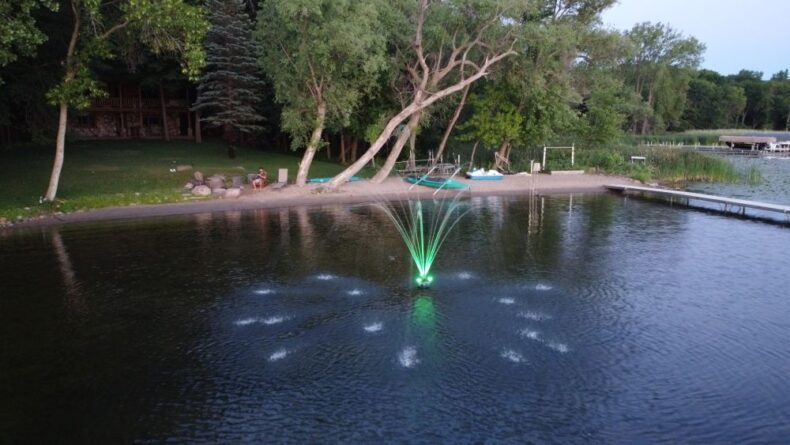
Design intent plays a major role when selecting a fountain type.
Floating fountains prioritize motion, height, and surface activity. Spray patterns often serve both functional and visual purposes, especially in larger ponds.
Design elements commonly associated with floating systems include:
- Dynamic spray heights visible across open water
- Decorative nozzles such as palm tree or cascade patterns
- Integrated LED lighting for night operation
Anchored fountains focus on visual order and controlled presentation. Structured designs rely on consistent geometry and predictable water flow.
Formal gardens and minimalist outdoor layouts often select anchored fountains to reinforce symmetry and intentional spacing.
Power and Maintenance
Power sources influence long-term operation costs and upkeep routines. Floating models often run on solar energy or standard electrical connections. Solar-powered units lower ongoing energy expenses and simplify placement.
Routine maintenance remains straightforward. Intake screens and foam filters usually require cleaning every one to two weeks. Cold season removal helps prevent freeze damage.
Anchored fountains generally use hardwired AC power. Maintenance tasks include monthly pad cleaning, flushing water lines, and winterization in colder climates. Service access must remain part of the original design to avoid disruptive repairs.
Ecological and Functional Impact
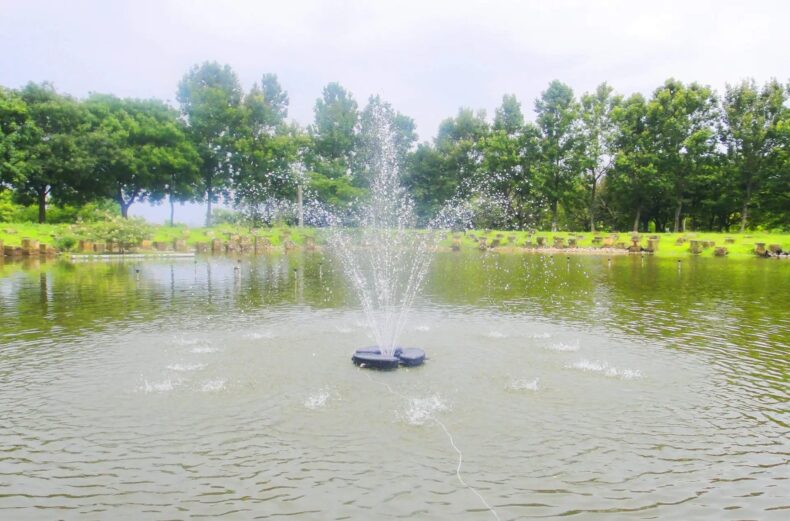
Surface agitation created by floating fountains improves gas exchange across the pond. Increased oxygen availability helps manage algae growth and reduces mosquito larvae.
Fish activity and beneficial bacteria processes also benefit, supporting stable pH levels.
Effectiveness increases in deeper ponds or areas with silty bottoms where anchored installations perform poorly.
Anchored fountains contribute limited aeration concentrated near the structure. Water sound remains gentle and controlled, supporting decorative goals rather than full pond circulation. Overall water turnover stays lower compared to floating alternatives.
Cost Considerations
Budget planning often influences final selection. Floating fountains typically involve lower installation costs due to minimal infrastructure.
Solar-powered options further reduce long-term operational expenses. Large or remote ponds benefit financially due to reduced setup complexity.
Anchored fountains require a higher initial investment tied to construction, plumbing, and electrical work. Ongoing maintenance supports long service life and stable visual performance when properly managed.
Final Thoughts
The choice between floating and fixed fountains depends on priorities tied to function, permanence, and visual intent.
Floating systems support aeration, flexibility, and ecological balance across a wide water surface.
Anchored fountains support structured environments that favor controlled water movement and long-term design stability.
Large or multi-zone ponds can benefit from a combined approach. Floating fountains can manage oxygen levels while fixed fountains reinforce symmetry and visual focus near gathering areas.