





Most homes do not fall apart suddenly. They age in small, steady steps. A hinge loosens. A patch of caulk splits. A filter clogs after a long season of use. Before you know it, you are spending weekends rushing from one repair to another and wondering how everything piled up so quickly.
A calmer rhythm is possible once you treat upkeep as a cycle instead of an emergency list. You build habits that repeat every year. The load stays lighter. The house stays healthier. And you save real money because issues are caught before they grow teeth.
Here’s a detailed, practical guide to long-term home care. It covers what makes the biggest difference, what to check each season, and how to build routines that keep your place solid without turning home care into a part-time job.
Build a Maintenance Calendar That Matches the Seasons
Every region has its own patterns, but the basic cycle stays similar. Heat strains cooling systems. Cold strains pipes. Wind and storms test roofs and gutters. If you match tasks to the season, things feel natural instead of forced.
Spring – Repair, Refresh, Reset
Winter hides a lot. Once temperatures rise, it is time to check where the home took a few hits.
Key Tasks for Spring:
- Walk around your house and look for cracked siding, peeling paint, and loose trim.
- Inspect the roof from the ground with binoculars and scan for lifted shingles or early moss.
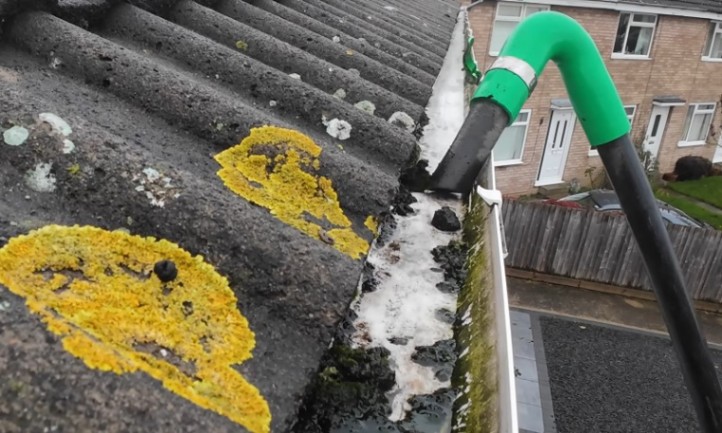
- Clear out gutters and downspouts and run water through them to confirm the flow is clean.
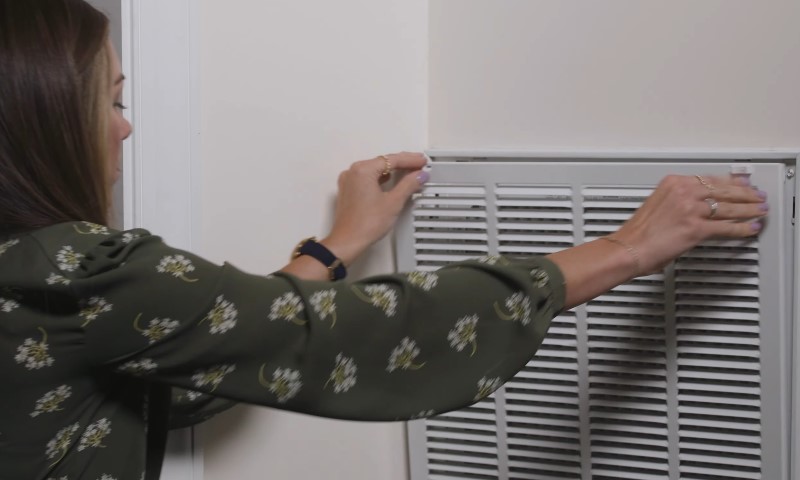
- Replace HVAC filters and dust the vents.
- Test outdoor faucets and irrigation lines for leaks.
- Many homeowners prefer to schedule gutter maintenance repairs once the first warm week of spring arrives because debris from winter often hides early clogs.
A simple example: if you notice a thin crack along a window frame in March, caulk is inexpensive and takes fifteen minutes. If that crack stays open through summer storms, water can enter, swell the wood, and cause warping that costs far more. The tiny fix always beats the heavy repair.
Summer – Monitor Heat Strain and Moisture
Summer creates the highest load for HVAC systems. It can also encourage mold in tight corners or damp spots.
Key Tasks for Summer:
- Check attic ventilation by stepping inside for a moment. If heat feels trapped, vents may be blocked.
- Clean ceiling fan blades and confirm the rotation direction is set for summer airflow.
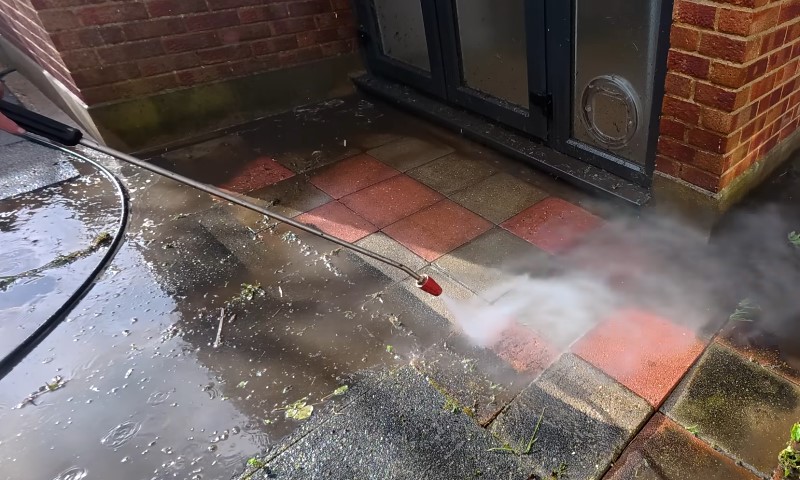
- Power wash patios, decks, and walkways, and inspect them for loose boards or unstable steps.
- Inspect window screens and reseat any that sit awkwardly.
Pay close attention to AC performance. If it runs constantly yet struggles to cool the home, call a technician before the system burns itself out. Many owners wait until heatwaves to schedule service. A quieter day in June keeps repairs cheaper and faster.
Autumn – Prepare for Cold Weather
Autumn is when you prepare the house for the months when everything slows down.
Key Tasks for Autumn:
- Clean gutters again after the first major leaf drop.
- Inspect weatherstripping around doors and windows. Replace worn pieces.
- Flush outdoor hoses, drain sprinkler lines, and store equipment.
- Have the heating system checked and cleaned.
- Seal small foundation gaps where pests may enter seeking warmth.
Many homeowners schedule chimney inspections in autumn, especially if they use wood-burning fireplaces. Creosote buildup is not always obvious. One visit from a certified sweep keeps you safer throughout the season.
Winter – Protect, Check, Conserve
Winter routines focus on protecting the home from cold and catching small problems early.
Key Tasks for Winter:
- Look for ice dams forming at the roof edges.
- Run bathroom fans after every shower to limit indoor humidity.
- Keep gutter pathways clear after snow or freezing rain.
- Open sink cabinet doors during extreme cold so warm air reaches the pipes.
- Replace furnace filters monthly if your system runs heavily.
Small steps protect your utility bills, too. A clean filter in winter can save a surprising amount of energy because your system does not need to fight through debris.
Key Home Areas That Benefit Most From Routine Care
Some parts of a house are more sensitive than others. The right habits can extend their lifespan by many years.
Roof and Gutters
Roofs rarely fail overnight. They show signs long before water enters the attic. It helps to check them from the yard every season.
What to Watch for:
- Shingles curling or lifting
- Dark streaks from algae
- Flashing that appears loose around vents or chimneys
- Debris piles that trap moisture
Gutters deserve the same attention. They direct water away from the foundation. When they clog, water flows where it wants. That often means siding stains, soil erosion, or even basement moisture.
Below is a simple reference table you can use throughout the year.
Roof and Gutter Quick Check Table
| Task | Season | Frequency | Notes |
| Visual roof scan | Spring, Autumn | Twice a year | Use binoculars for safety |
| Gutter cleaning | Spring, Autumn | Twice a year | More often if you have tall trees |
| Flashing check | Spring | Once | Look for gaps or lifted edges |
| Downspout water test | Spring | Once | Run water to confirm proper flow |
Plumbing and Water Systems
Water rarely forgives delayed maintenance. Pipes, fixtures, and moisture controls need occasional attention.
Areas to Check Regularly:
- Under-sink cabinets for dampness
- Water heater for sediment buildup
- Washing machine hoses for bulges
- Toilets for slow leaks or running tanks
- Shower caulk lines for peeling
One useful habit is to walk around once a month with a small flashlight and inspect hidden corners. A damp spot under a sink often appears long before the wood begins to swell. Catching it early costs almost nothing.
Heating and Cooling Systems
HVAC systems thrive on routine care. Filters, coils, fans, and drains all need occasional cleaning.
Core Tasks:
- Change filters every one to three months, depending on usage.
- Vacuum floor vents to remove pet hair or debris.
- Pour a cup of vinegar into the AC condensate line twice a year to prevent clogs.
- Keep outdoor units clear of plants or debris.
A yearly service visit is worth it. A technician can measure refrigerant levels, check for leaks, and clean internal parts that are tough to reach without equipment.
Electrical System Safety
Electrical issues can stay silent for years. A few checks keep things safe.
What to Check:
- Test GFCI outlets monthly by pressing the button.
- Look at the breaker panel and ensure labels are correct.
- Replace frayed cords immediately.
- Keep large appliances on dedicated outlets.
If you ever smell a faint burning scent near outlets or notice light flickering, schedule an electrician as soon as possible. Those signs often appear before more serious problems.
Build Small Habits That Protect the House Long Term
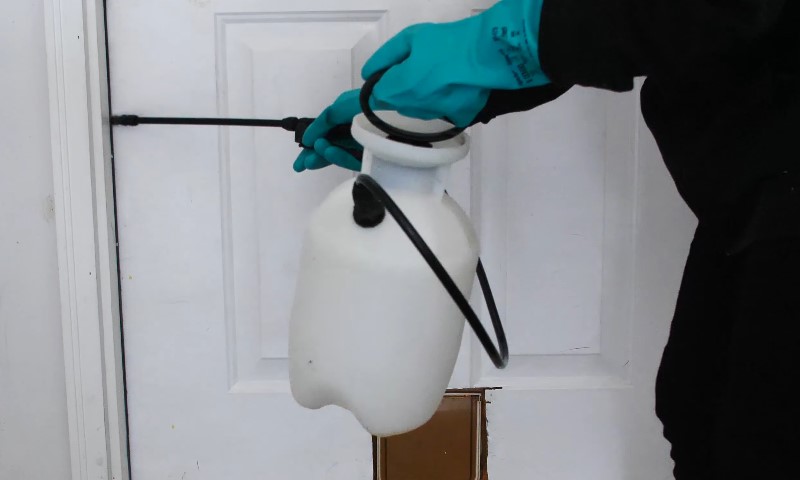
You do not need marathon cleaning sessions to keep a house in top shape. Small habits sprinkled throughout ordinary life create more stability.
Weekly Habits
- Wipe bathroom tile edges to limit mold.
- Shake doormats outdoors.
- Look at the kitchen cabinet hinges and tighten loose screws.
- Wipe appliance seals, especially refrigerators and washing machines.
Monthly Habits
- Vacuum refrigerator coils.
- Check all fire extinguishers for pressure.
- Test smoke and carbon monoxide alarms.
- Wipe light fixtures so dust does not dim the bulbs.
Quarterly Habits
- Deep clean drain traps in kitchens and bathrooms.
- Reseal granite or stone countertops if they are due.
- Check the garage and storage spaces for pests.
- Clean dryer vents to prevent lint buildup.
Over time, many homeowners build their own checklists. You tweak them as the house ages, depending on what gives you trouble or what tends to hold up with less effort.
Know When to Call a Professional
View this post on Instagram
A well-loved home does not mean you must fix everything yourself. Some jobs are safer with licensed hands.
Call a Professional for:
- Major roof work
- Electrical repairs beyond replacing fixtures
- Structural cracks
- Large plumbing leaks
- HVAC refrigerant issues
- Chimney inspections
A strong rule of thumb is simple. If the repair deals with weight, pressure, electricity, gas, or water volume, a professional call often saves time and risk.
Keep Maintenance Costs Predictable
Houses feel less stressful when money is planned in advance. Small annual budgets help avoid unwelcome surprises.
How to structure your budget
- Set aside a fixed amount every month in a separate home care fund.
- Use seasonal checklists to forecast potential costs.
- Track each repair or replacement, so you see patterns forming.
- Keep a list of trusted contractors to avoid scrambling during emergencies.
A common approach is to save one to two percent of the home’s value each year for maintenance. Some years require less, some require more, but the buffer keeps you ready.
Use Simple Tools That Make Upkeep Easier
A small, reliable set of tools can handle almost everything.
Helpful Tools to Keep Nearby:
- Multi-bit screwdriver
- Adjustable wrench
- Caulk gun
- Utility knife
- Flashlight with a narrow beam
- Stud finder
- Cordless drill
- Ladder with a steady base
- Protective gloves and goggles
When tools feel comfortable, upkeep feels less intimidating. You fix things quickly instead of letting them sit.
Build a Yearly Home File for Better Tracking
Paperwork and photos give you a clear record of your home’s condition.
What to include:
-
- Dates of professional service visits
- Warranty details for appliances
- Before and after photos of repairs
- Paint color codes for interior and exterior
- Notes on any upgrades or insulation improvements
- User manuals for equipment
Digital folders work well, too. Snap a picture every time you notice something changing. It takes seconds and gives you years of reference.
Protect the House Against Water, Heat, and Pests
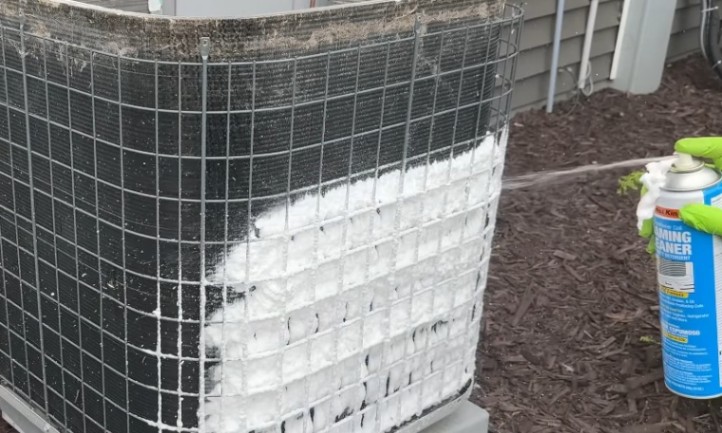
Three types of damage account for most long-term costs. Water. Heat. Pest activity. You can reduce all three with routine habits.
Water Protection
- Keep gutters clear during rainy months.
- Repair caulk lines around windows and tubs.
- Maintain proper slope away from the foundation.
- Run exhaust fans during and after showers.
- Inspect sump pumps annually if you have one.
Heat Protection
- Keep attic vents clear.
- Install or repair weatherstripping.
- Clean HVAC coils.
- Use blackout curtains during hot months.
Pest Protection
- Seal cracks around foundations.
- Store food in sealed containers.
- Trim branches that touch the house.
- Fix leaks that attract ants or roaches.
Create a Home That Ages Gracefully
Perfect condition does not mean flawless. It means steady, predictable, dependable. When you treat upkeep as a cycle, the house responds. Doors close smoothly. Rooms feel fresher. Utilities run cheaper. Repairs come as small tasks instead of emergencies.
A bit of care each week and a focused routine each season can keep a house healthy for decades. It becomes less about chasing problems and more about keeping a comfortable rhythm. That rhythm builds confidence. And a confident homeowner always feels more at ease inside their own walls.