




A study led by the American Cancer Society identified factors associated with increased depression and anxiety during the COVID-19 pandemic.
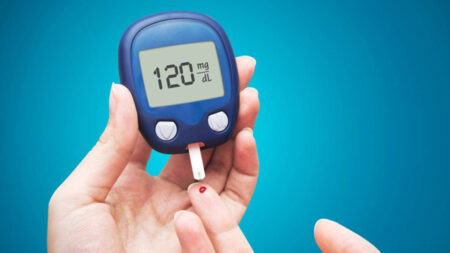
A recent report published by the American Cancer Society found that people with pre-existing conditions like cancer or diabetes are likely to report more depressive symptoms than others.
A secondary focus analysed the impact of life stressors on the long-term change in psychological distress.
This study led by Corinne Leach, a senior principal scientist at the society, has used data from the American Cancer Study’s Cancer Prevention Study-3 (CPS-3) cohort from two waves, 2018 and July- September 2020, to identify levels of psychological distress among U.S. men and women during the COVID-19 pandemic.
According to the data published in Lancet Regional Health-Americas, almost half (42 per cent) of participants in the study reported at least mild psychological distress, and 10 per cent of participants reported moderate to severe psychological torment.
The article provides a distinctive perspective on the changes in psychological distress as the study identified factors associated with increased depression and anxiety during the pandemic, including socio-demographic characteristics, stressors, and comorbid conditions associated with increased risk for poor COVID-19 outcomes.
Psychology defines stressors as “events or experiences that produce severe strain, such as failure on the job, marital separation, and loss of a loved person”.
In its secondary focus, this report examined the impact of financial stressors, such as loss of employment and reduced compensation, or work/life balance stressors, such as caregiving responsibilities, on the mental health of individuals.
Data showed that individuals with these stressors were more likely to experience intensified psychological distress during the pandemic.
During the initial lockdown period, many analysts said that Covid-19 would unleash an era of public Mental health crisis in India and beyond “with suicide-related deaths as its lead indicator”.
A recent survey conducted by Dr Sameer Malhotra, director of the department of mental health and behavioural sciences, Max Hospital-Saket, showed that there had been an increase in suicidal thoughts and self-harm during the pandemic in both adults and children.
Along with the economic upheaval, a crucial loss people have experienced due to this pandemic is the loss of human contact.
Social distancing has created a chasm in accessing a vital help to deal with life stressors – Interpersonal relationships.
People around us play a meaningful role in assisting individuals in dealing with any kind of psychological discomfort.
These people need not be our close contacts but also our acquaintances and colleagues or anyone with whom we would associate our identity.
All of them form a physical ecosystem that Covid-19 has ripped us off.
There have been many studies in the past that have highlighted the importance of regular mental health assessment among people affected by the pandemic.
Subsequent support needs to be provided to the people with a history of mental health issues and who lived in isolation due to the pandemic.
One of the many evident conclusions drawn from this report is that even though many institutions have started opening as the country has begun adjusting to the new normal, the COVID-19 pandemic will continue and impact the collective mental health for a substantial amount time to come.
More Investigations, therefore, must be pursued to identify any pattern that might take us some steps further to resolve this crisis.