




In a significant move that could reshape the electric vehicle industry, the European Union has initiated an anti-subsidy investigation targeting Chinese electric vehicles (EVs). This investigation comes as part of the EU’s commitment to ensuring fair competition and leveling the playing field for its own EV manufacturers. In this article, we will delve into the details of this investigation, its potential implications, and what it means for the future of electric mobility.
Table of Contents
The EU’s Anti-Subsidy Investigation
The European Union, led by EU chief Ursula von der Leyen, has raised serious concerns about potential state subsidies provided by China to its electric car manufacturers. Von der Leyen vowed to defend Europe’s industry against “artificially low prices” resulting from these subsidies. This investigation aims to determine if these subsidies create an unfair advantage for Chinese EVs in the European market.
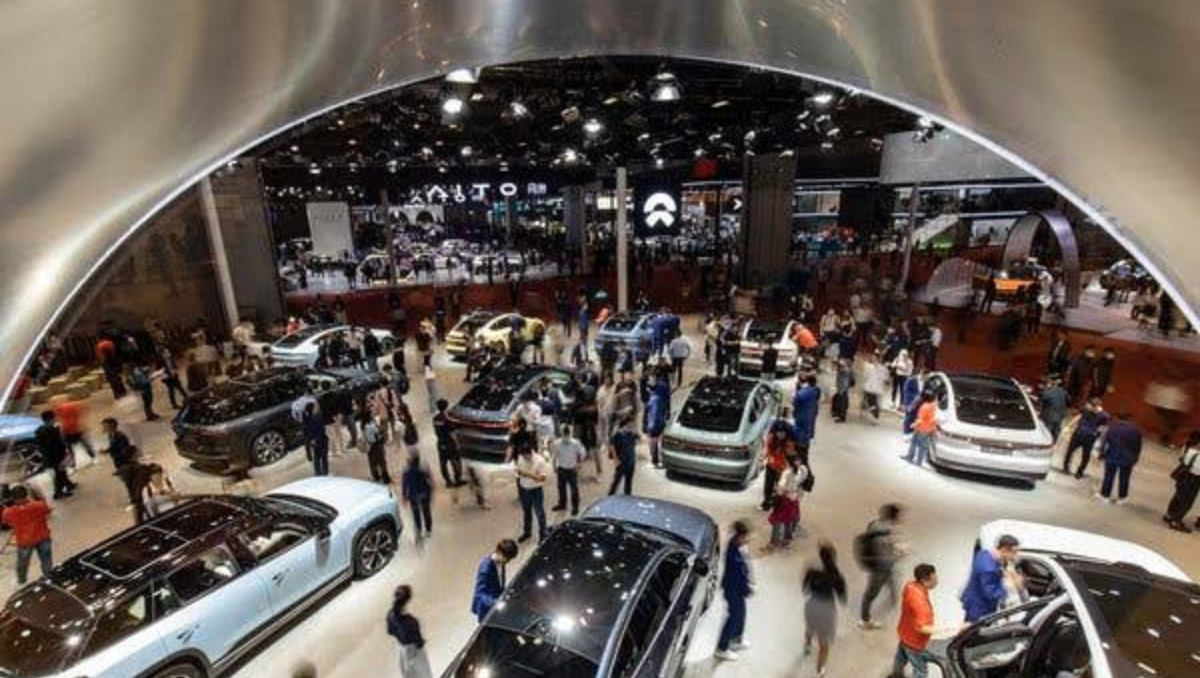
During a speech at the European Parliament in Strasbourg, von der Leyen highlighted that global markets are now flooded with more affordable Chinese electric cars, and their prices are artificially low due to significant state subsidies.
The Threat to European Competitors
The EU’s concerns extend to the potential harm caused to European electric vehicle manufacturers. France played a key role in pushing for this investigation, emphasizing the need to safeguard Europe’s industry against increasing reliance on Chinese products.
Concerns of Becoming Net Importers
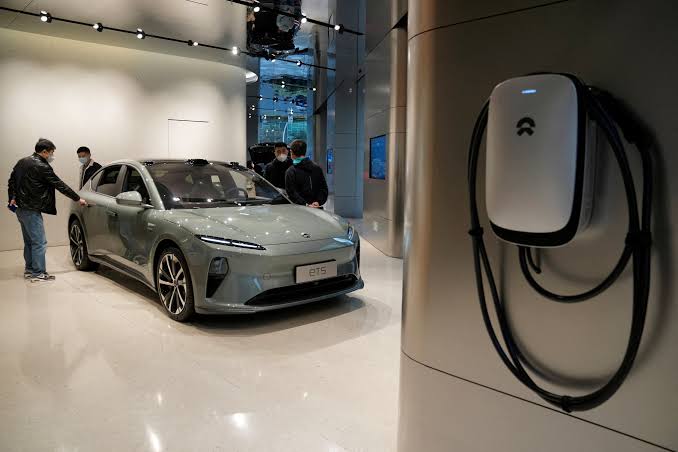
Thierry Breton, the European Commission’s internal market chief, has warned that Europe is at risk of becoming net importers of electric vehicles and solar panels due to the surge in Chinese production and subsidies.
The Investigation Process
The EU’s anti-subsidy investigation will follow a comprehensive process. The European Commission, under von der Leyen’s leadership, will meticulously analyze data and information to determine if Chinese EV manufacturers are benefiting from subsidies that distort competition. This process will involve close cooperation with relevant stakeholders and experts in the field.
Potential Implications
The outcome of this investigation could have far-reaching consequences for the electric vehicle market. If the EU finds evidence of unfair subsidies, it may impose duties on Chinese EVs that are sold at lower prices, potentially undercutting European competitors. The European Commission president stressed that while Europe welcomes competition, it is not willing to engage in a race to the bottom, highlighting the need for fair competition.
Europe’s Response and Concerns
France, in particular, is concerned that Europe may fall behind if it does not take a more assertive stance against China’s protectionist actions. Paris has already announced measures to provide subsidies for new electric cars based on manufacturers’ emissions output, a move that could be more challenging for Chinese cars, given their reliance on coal-powered electricity.
Balancing Communication and Cooperation
While von der Leyen’s comments are strong, she also emphasized the importance of maintaining “communication and dialogue with China.” She called on the EU to define its own approach to Beijing, although some European powers want to be cautious to avoid severing business ties entirely.
EU-China Relations
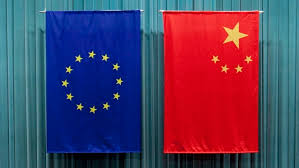
This investigation takes place in the context of EU-China relations, where the EU seeks to define its stance and approach to China. Von der Leyen’s approach is “de-risk, not decouple,” which she plans to discuss with Chinese leadership at the upcoming EU-China Summit later this year.
Trade Commissioner’s Visit
The EU’s trade commissioner, Valdis Dombrovskis, is scheduled to head to China next week to engage in discussions about trade and economic opportunities and challenges, underlining the significance of EU-China relations in the electric vehicle industry.