



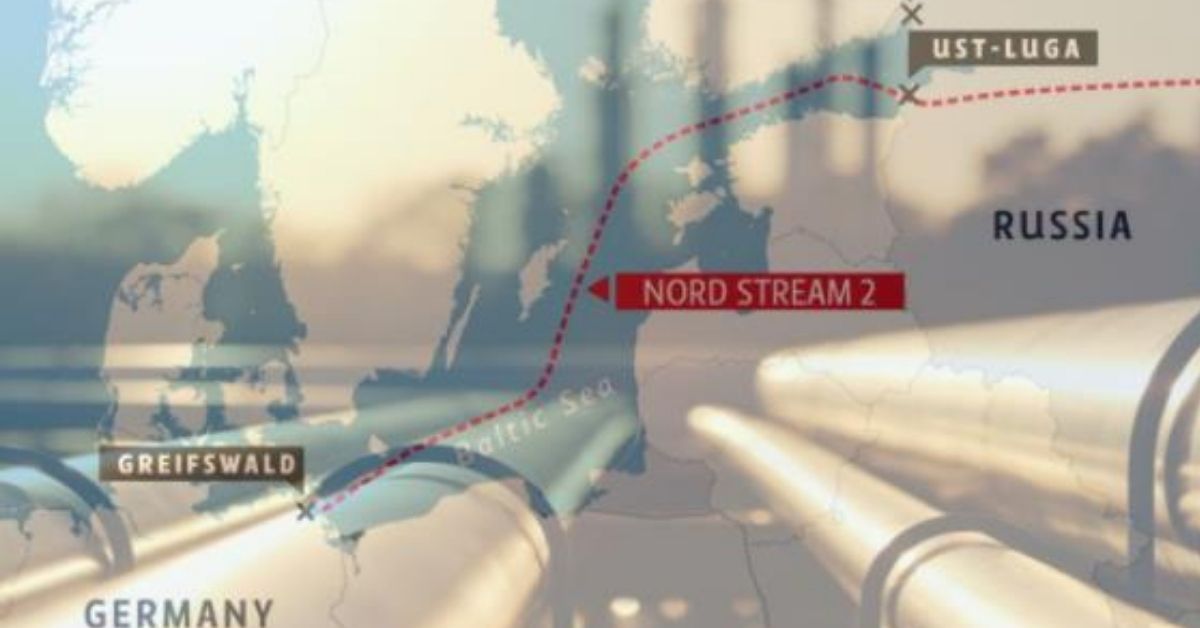

Nord Stream 2 is the new export gas pipeline running from Russia to Europe across the Baltic Sea. The route covers over 1,200 kilometers, and the project is under Gazprom, the Russian state-owned energy corporation.
The pipeline project is regarded as the possible answer for the EU’s increasing gas prices. But the project could cost them in other aspects according to the USA and other European countries.
Nord Stream 2 comes after the successful running of the Nord Stream gas pipeline.
Like the one in operation, the new pipeline will establish a direct link between Gazprom and the European consumers, ensuring a highly reliable supply of Russian gas to Europe.
The combined design capacity of Nord Stream and Nord Stream 2 will be in the range of 110 billion cubic meters of gas per year, which could play a significant role in the European market that is now facing a severe shortage of gas.
Gazprom behind the rise of gas prices in the European Union?
According to various media reports, gas prices across Europe increased at a very high percentage in the past year, mainly due to the increasing demand for energy and the limited supply.
It is expected that the coming winter in Europe might hit hard on people if the price for the gas does not lower and the availability is made possible as per the demands.
Russia is the supplier of about 37% of the natural gas exported to the European Union. The Russian majority state-owned Gazprom PJSC is Europe’s biggest gas supplier.
Different European lawmakers have asked the EU to launch an investigation on Gazprom, insisting that they are intentionally withholding the supply of gas to Europe as a means to get Germany to expedite its Nord Stream 2 project.
Putin commented on the accusations over Gazprom as follows, “Russia has always been a reliable gas supplier to consumers around the world, in Europe and Asia, and always has fully met all its obligations.” He said that state-controlled gas giant Gazprom has unfailingly met consumer demands for more gas as envisaged under existing supply contracts.
EU and Germany forced to expedite Nord Stream 2?
Europe’s gas prices rose to a record of more than 116 euros per megawatt-hour ($134 per MWh) on Tuesday, more than six times the price at the start of the year.
Following Putin’s remarks on the possibility of selling more gas to Europe through spot buyers via its domestic market, the prices came down to 104.52 euros per megawatt-hour ($120.79) on Thursday, which is still very high.
The pipeline, which runs from Russia under the Baltic Sea and into Germany, awaiting clearance from German authorities, was completed last month amidst the disapproval from many countries, including the United States.
The US cautioned that if the project gets sanctioned, it will give Moscow more influence over the European Union. And if that happens, it will be a challenge for the US, so they are critical of the project and demands that it should not be allowed.
Russia, which states that they are open to supplying more energy if appropriate bids arrive, forces the EU, especially Germany, to accept its pipeline project. The possibility of expediting this project can help in gas prices,which are now skyrocketing in the EU, to be reduced and put under control.
The United States and other European countries have accused that the pipeline is a geopolitical project to increase Europe’s dependency on Russian gas.
Germany’s government seems to be in favor of the pipeline project angering its fellow European countries. Looking from Germany’s perspective, the project will increase gas availability in Germany’s fully liberalized market, reducing prices.
The pipeline allows Gazprom to supply Germany, its largest market directly, and reduce transit risks.
If the pipeline projects get approved by Germany, it will make Germany a central hub for Russian gas supplies in Europe and enhance competition in the European gas market.