





Fast fashion manipulates people by making them buy more clothes more often than they actually need. It does this through a combination of very low prices, constant trend changes, social media pressure, and marketing tactics designed to create urgency.
Brands release new collections extremely quickly, promote them heavily online, and make items feel limited or temporary so consumers feel pressure to buy immediately.
The goal of this system is simple: increase purchasing frequency. Instead of buying clothes a few times per year and wearing them for several seasons, fast fashion encourages people to shop constantly.
By making clothing cheap, trendy, and seemingly disposable, companies train consumers to treat fashion as something temporary rather than something durable.
The Illusion of “Cheap” Clothing
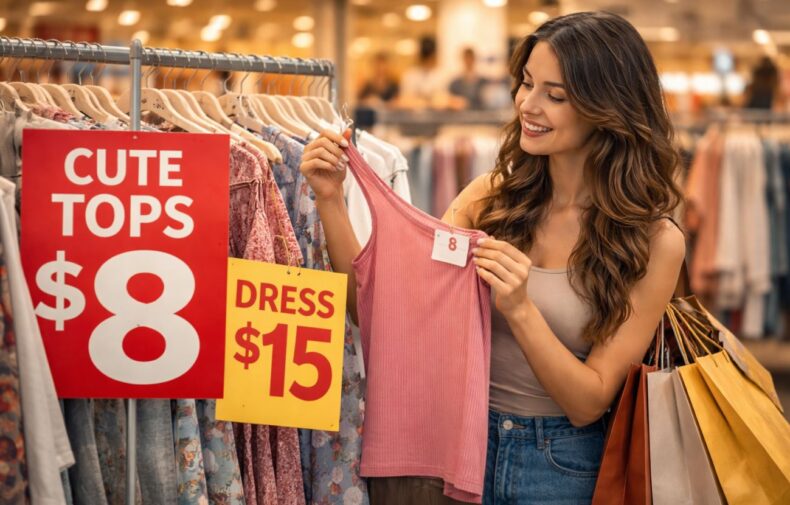
One of the strongest manipulation tactics fast fashion uses is price. When people see a shirt for $8 or a dress for $15, the brain immediately labels the purchase as low risk.
The thought process becomes simple: “It’s cheap, so why not?”
But this perception hides the real cost structure. The low price encourages impulse buying, meaning people purchase items they would never buy if the price reflected true production costs.
Instead of carefully considering quality or long-term use, the decision becomes immediate and emotional. Fast fashion brands depend on this impulse behavior. The cheaper the product appears, the less time consumers spend thinking about whether they actually need it.
| Price Strategy | Psychological Effect on Consumers |
|---|---|
| Extremely low prices | Reduces perceived financial risk |
| Constant discounts | Creates the illusion of opportunity |
| Bundled deals | Encourages buying more items than needed |
Over time, this pricing model shifts consumer habits. Clothes stop being long-term items and become temporary purchases.
Creating Artificial Urgency
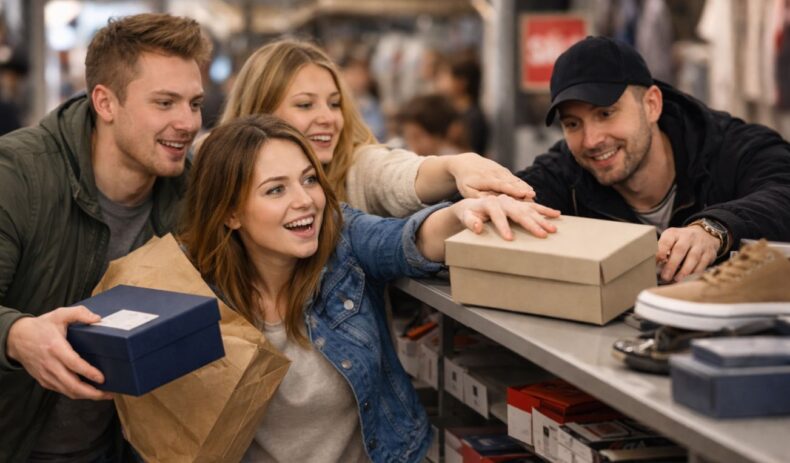
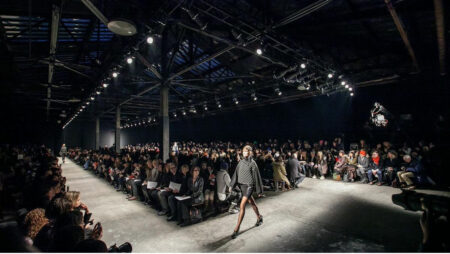
Fast fashion brands release new collections at an extremely rapid pace – sometimes weekly. This is not simply a production strategy; it is a psychological tactic.
When consumers believe that an item might disappear soon, their brain triggers a fear of missing out
(FOMO). Instead of calmly evaluating whether they want the item, they feel pressure to act immediately.
This urgency is reinforced through messaging like:
- “Limited drop”
- “Selling fast”
- “Last chance”
Even when the product is not actually scarce, the perception of scarcity pushes people toward impulsive purchases.
| Tactic | Intended Consumer Reaction |
|---|---|
| Limited-time collections | Fear of missing out |
| Countdown sales | Pressure to buy quickly |
| “Only a few left” messages | Sense of urgency |
When this cycle repeats every week, consumers begin to feel that if they do not buy something now,
they will fall behind trends.
Choosing Smaller Brands Instead of Fast Fashion
One of the most effective ways to avoid the fast fashion cycle is to buy fewer items and choose brands that focus on craftsmanship and longevity.
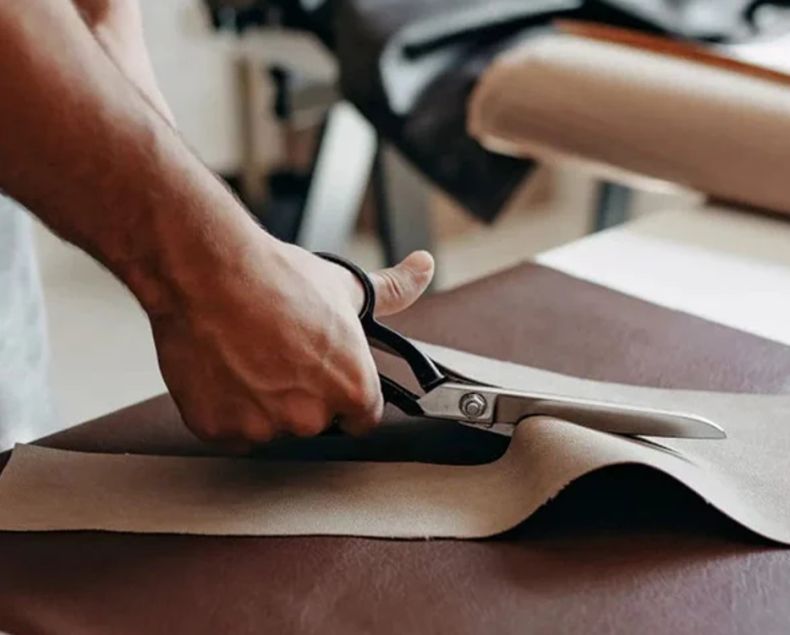
Smaller brands often produce items in smaller batches, pay more attention to materials, and design products meant to last for years rather than months.
Supporting smaller businesses also helps shift the fashion industry toward more responsible production. Instead of constantly chasing trends, these brands usually focus on timeless design, quality materials, and thoughtful construction.
A good example of this approach is Grainmark Leather. The brand focuses on durable leather products designed for everyday use rather than disposable fashion.
Their collection includes well-crafted leather bags and accessories that emphasize quality materials and practical design.
Choosing brands like Grainmark Leather encourages a different mindset toward fashion. Instead of purchasing large amounts of clothing frequently, consumers can invest in fewer, higher-quality pieces that last much longer.
Social Media and Trend Pressure
Fast fashion and social media grew together. Platforms like Instagram, TikTok, and YouTube continuously showcase new outfits, styling videos, and “haul” content where influencers display dozens of newly purchased items.
This environment creates constant visual pressure. People see new clothing combinations daily, which gradually shifts their perception of what is normal.
Instead of wearing the same outfit multiple times, something that used to be completely acceptable, many users begin to feel that repeating clothing is somehow embarrassing or outdated.
Fast fashion brands amplify this by partnering with influencers who promote new collections every few weeks.
| Social Media Mechanism | Resulting Behavior |
|---|---|
| Influencer clothing hauls | Encourages mass purchasing |
| Outfit-of-the-day content | Creates pressure for variety |
| Trend cycles on TikTok | Accelerates clothing turnover |
The result is a culture where clothing becomes disposable content rather than durable items.
Making Consumers Feel Outdated
Fashion trends used to change seasonally. Today, fast fashion companies push micro-trends that can last only a few months.
This constant rotation creates a subtle psychological effect: people begin to feel that their existing wardrobe is outdated even when the clothing is still perfectly wearable.
This strategy does not require forcing people to buy something new. It simply makes their existing clothes feel wrong.
Normalizing Overconsumption

Another powerful tactic fast fashion relies on is normalization. When people see others buying dozens of items at once, the behavior slowly begins to feel normal.
Repeated exposure changes perception. Consumers gradually accept the idea that buying large amounts of clothing regularly is typical behavior.
| Consumption Pattern | Cultural Impact |
|---|---|
| Large clothing hauls | Makes overbuying appear normal |
| Weekly trend updates | Encourages constant wardrobe changes |
| Ultra-low pricing | Removes hesitation about quantity |
Detaching Consumers From Production Reality
Fast fashion companies rarely emphasize where clothes are made or how they are produced. This distance between the product and its origin helps maintain the illusion that clothing is simple and inexpensive to create.
In reality, garment production involves complex supply chains, labor-intensive work, and significant environmental impact.
The less people think about the manufacturing process, the easier it becomes to treat clothing as disposable.
Final Thoughts
Fast fashion manipulates consumers through a combination of psychology, pricing strategies, social pressure, and rapid trend cycles.
These tactics encourage people to buy more clothing than they need while making those purchases feel normal and harmless.
Fashion itself is not the problem. The problem is a system designed to turn clothing into disposable products and consumers into constant buyers.
Recognizing how that system works is the first step toward breaking its influence.