




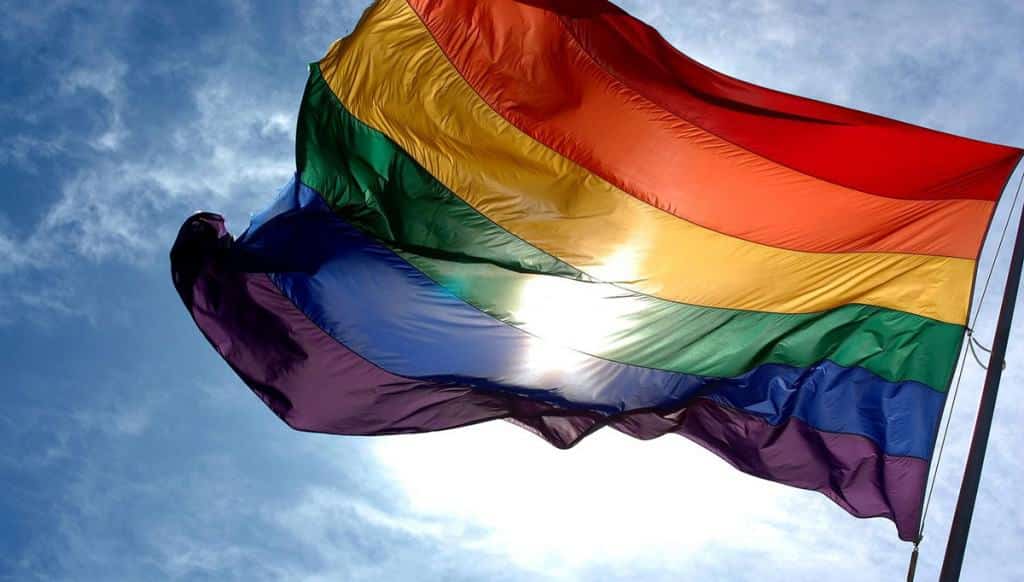

Vogue Singapore is being penalised for upholding the banner and encouraging “non-traditional families” by legal authorities of the sovereign island city-state.
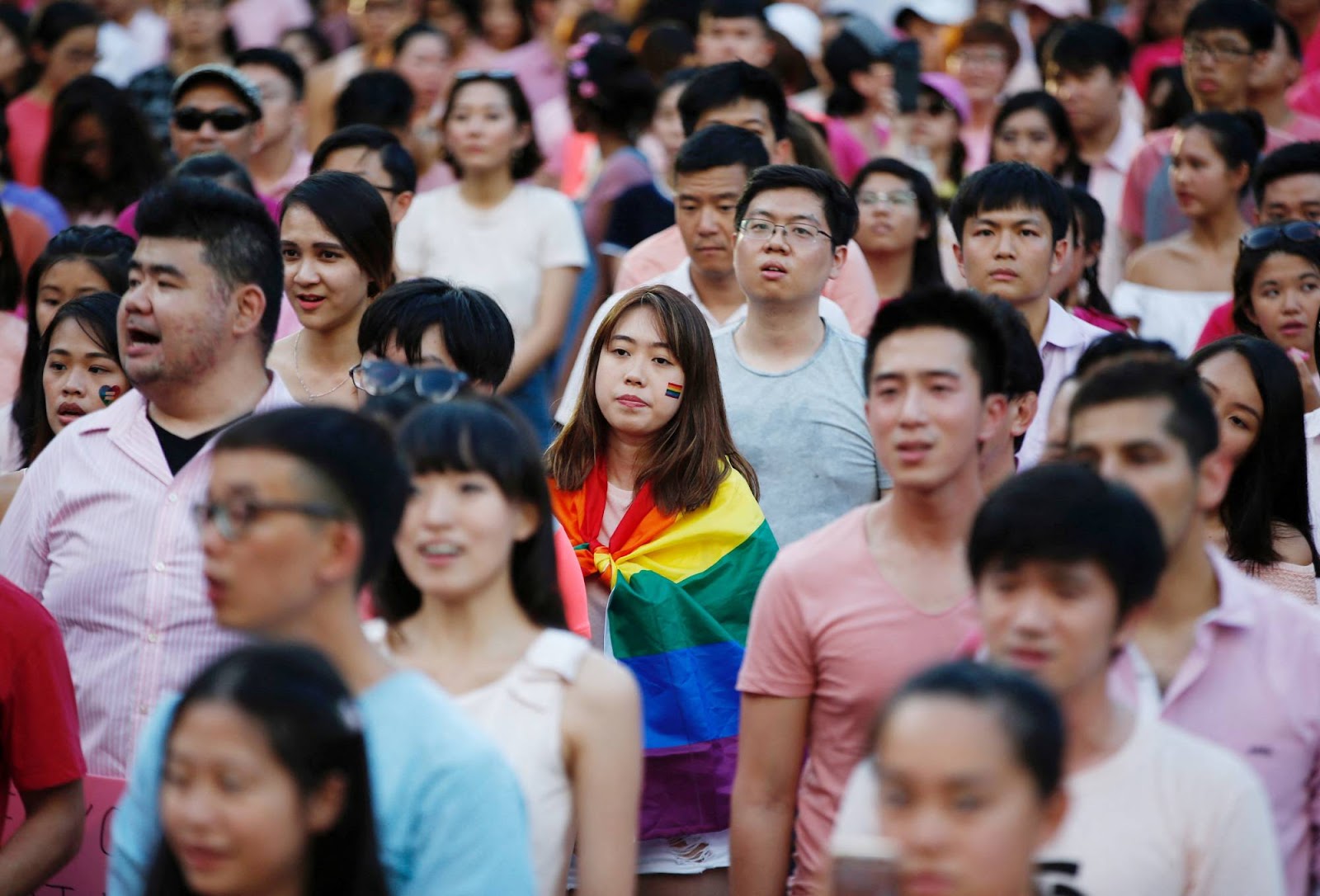
When it comes to policies and guidelines regarding the LGBTQ and content or ideas that promote LBGTQ “lifestyle”, Singaporean authorities is not yet ready to welcome the proposal and remains adamant on the matter.
According to a recent post reported by Singapore (AFP), “Authorities have shortened Vogue Singapore’s publishing permit issuing a “stern warning” to the fashion magazine for its content containing nudity and promoting “non-traditional families”.
Lifestyle and fashion publications that fall within the sovereign city-state have been prohibited from the publication of advocating and romanticizing “alternative lifestyles”.
The term “alternative lifestyles” refers to the ways of life that do not conform to societal rules and regulations. These are the sort of lifestyles that deviate from the norm and are considered to be unconventional and unfit for co-existing within a community.
Behavioural patterns that do not imitate the ideal heterosexual way of life. Hence, atypical and too unusual to be embraced and included as part of society.
The city-state has implemented such restrictions on the publication houses for the ‘interest of its citizens’ and thereby, issued a serious caution to the fashion magazine by shortening its publishing permit.
The Singaporean legal authorities not only banned publication houses from posting or publicizing anything that pushes LGBTQ agenda but has also warned of posting and exemplifying nudity.
Any illustrations of “semi-nude models” that display partial nudity, that is, whether the breasts or genitals area is veiled by “ hands, materials and objects” is also not allowed.
According to the Ministry of Communications and Information, Vogue Singapore has gone beyond the guidelines and specifications as laid out by the Ministry for Local Lifestyle Magazines.
For the last two years, the local edition of Vogue has violated and infringed upon such guidelines on four occasions. The Ministry disclosed in a statement that these violations are for encouraging and displaying nudity and also for the advocacy of “non-traditional families”.
The Ministry, however, did not spill the details or care to itemize the exact content that, according to them, went against the guidelines. Thus, on Friday the Ministry issued the warning and compressed the local edition’s publishing permit.
Additionally, the Ministry also stated that Vogue Singapore’s one-year permit invalidated on Thursday. The Ministry of Communications and Information has issued Vogue Singapore a six-month permit ever since its re-application.
The magazine and publication houses do this because a permit is necessary to publish and disseminate magazines in Singapore.
In an email with the AFP, the Ministry went further to describe a previous incident when a publishing permit was truncated for not following the guidelines.
A local arts magazine was issued a shortened publishing permit in the year 2014 for the display of content that had insensitive religious connotations and defamatory subject matter.
In 2008 and 1998, correlatively, Cleo, a magazine dedicated to women and feminine lifestyle along with Singapore FHM, a men’s magazine, were among the magazines that faced penalization for content pertaining to sex and nudity and the endorsement of debauchary and permissive or liberal lifestyle.
The condemnation by the government on Vogue Singapore is wholly due to the magazine publishing articles on topics relating to the LGBTQ matters, features that had visual elaboration on body positivity “with photographs of semi-nude women”, and Singaporean social activists for speaking their minds and being vocal about such matters in interviews.
Vogue Singapore was inaugurated two years back with a website of its own and a periodical print magazine. The magazine is said to have around 25,000 print circulation. This Information has been provided by the magazine’s publisher, Conde Nast.
Like all publication houses, Vogue Singapore also has an aim and a motivation for change. On its website, it states an aim to produce “thought-provoking content” that will help the world change its perception and perspective on how they view certain matters so that there can be good change.
Also , it is noteworthy to point out the matter of the Singapore’s government and its plan to decriminalise gay sex.
Despite the government’s efforts, the Prime Minister of the sovereign city-state of Singapore has “made a vow” to “safeguard the institution of marriage’. He fortifies this statement by defining marriage to be a bond between a man and a woman.
This has led to many social activists having concerns about aforesaid statement and the circumstance as this changes everything that they have worked for and idealise about for the future.