



Sri Lanka received Russian oil on Saturday to restore operation at the country’s lone refinery, which might eventually be subjected to a European embargo, according to the energy minister. The island nation is experiencing its worst economic downturn since independence, with fuel and other essential goods shortages making life difficult for its 22 million residents.
Supply from Russian Petroleum
The state-owned Ceylon Petroleum Corporation (CPC) refineries was closed in March as a result of Sri Lanka’s foreign exchange crisis, which prevented the government from funding crude imports.
The Russian petroleum delivery had been waiting for almost a month offshore of Colombo’s port because the country had been unable to gather $75 million to pay for it, according to energy minister Kanchana Wijesekera.
Amid US sanctions against Russia banks and a geopolitical outcry at Russia’s invasion of Ukraine, Colombo is in negotiations with Russia to arrange direct supply of petroleum, coal, fuel, and petrol.
After being purchased off credit using Dubai-based i termediary Coral Energy, some 90,000 tonnes of Siberia light crude will be shipped to Sri Lanka‘s refinery. According to Wijesekera, Ceylon Petroleum Corporation (CPC) is currently $735 million in debt to suppliers, and no one has expressed interest in bidding for its oil tenders.
Searching for an alternative
He further said that all Siberian grade wasn’t just an ideal match for such refinery, which is designed to process Iranian light crude, however no alternative supplier was ready to give credit. Despite this, Sri Lanka will issue new supply tenders in 2 weeks, just before supply of Siberian light goes out, according to Wijesekera.In about two days, the Sapugaskanda refinery in Colombo’s outskirts will reopen.
On Monday, European Union officials will meet in Brussels to discuss a new wave of penalties against Russia related to the Ukraine war, along with an oil embargo. Russian oil has been subject to a US embargo, and its barrels have been trading at a significant discount to international benchmarks since the crisis began.
The Persisting problems
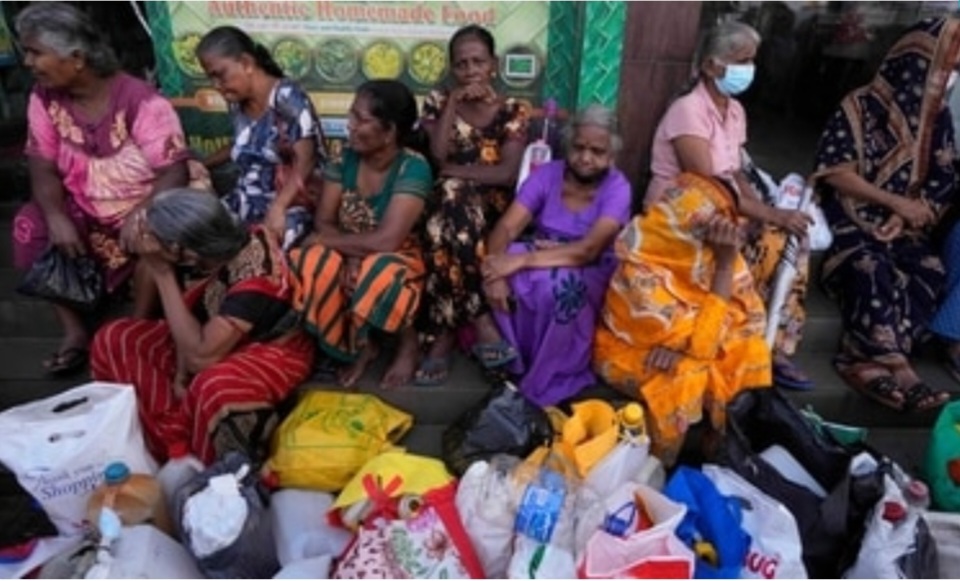
Long lines of cars have formed outside gas stations as a result of Sri Lanka’s economic crisis, with motorists waiting hours, if not days, for scarce supply of petrol and cooking gas. Its citizens also face severe shortage of supplied food and pharmaceuticals, as well as record inflation and protracted daily blackouts.
Anti-governmental rallies became violent earlier this month, killing nine people and injuring dozens more. Saturday marked the 50th day of a protest against President Gotabaya Rajapaksa’s offices near Colombo, demanding his resignation over government’s economic mismanagement.